
Know Thy Neighbour Residency: HEAVY DUTY Jack Morellini with WFAC, DADAA and WASA #1
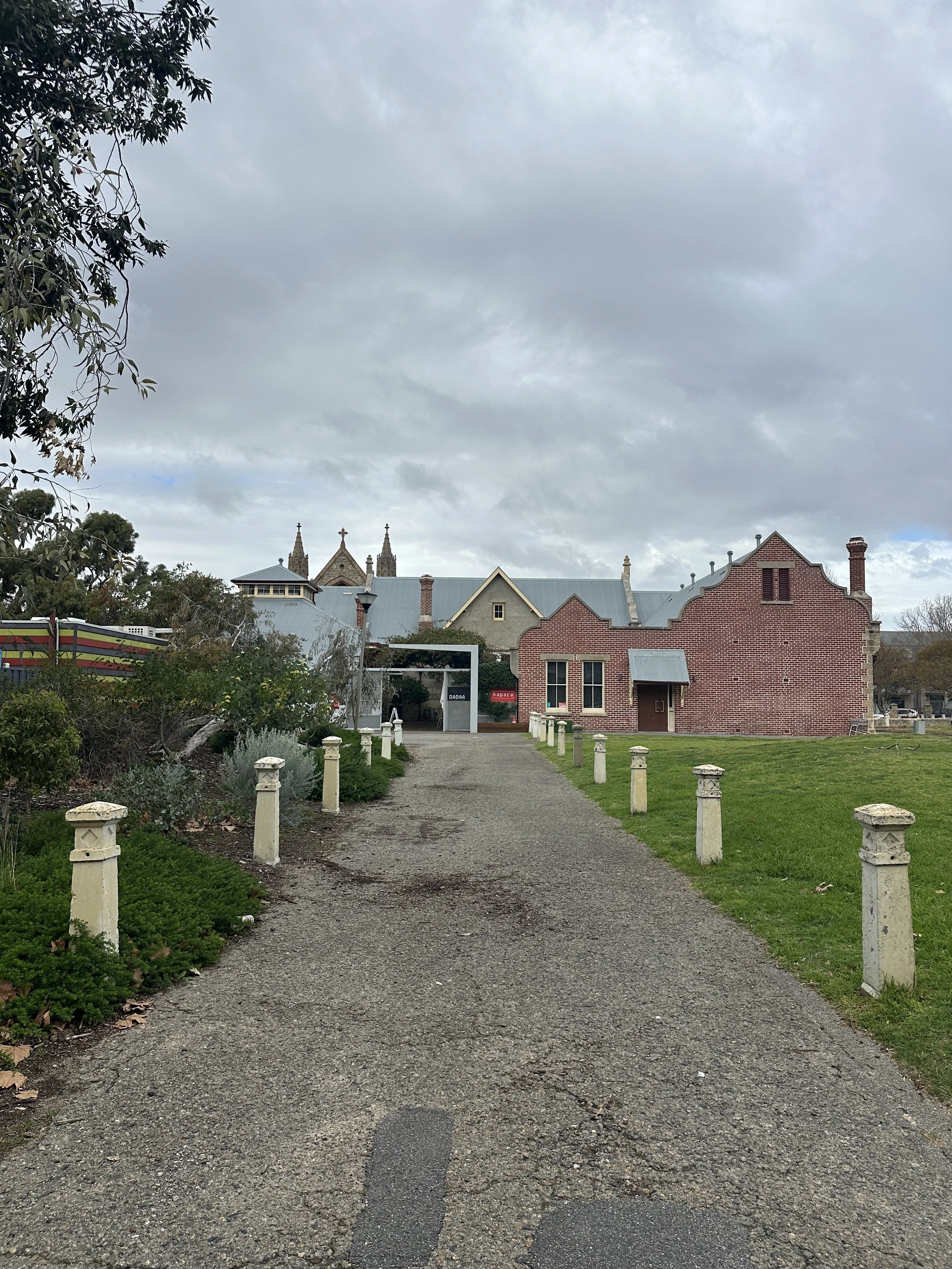
Jack Morellini shares information about the @Woolstoresforever project and Princess May Park. The site of focus for his Know Thy Neighbour #4 residency with Walyalup Fremantle Arts Centre (WFAC), DADAA Fremantle, and West Australia Skateboarding Association (WASA).
Background, Understanding and Site
I have spent countless afternoons sitting on the ledge at the Woolstores in Fremantle, looking out at the park over the road. So too have the many other lifelong skateboarders of Perth. As a result, Princess May Park was a natural choice as the site for my SPACED: Know Thy Neighbour #4 (KTN #4) project—my connection to the park having developed over years of passive observation. I am grateful for the opportunity to more actively explore, document and respond to this space before it, and the surrounding area changes forever due to the new development underway.
For over two years now, my friends and I have campaigned (under the banner of @Woolstoresforever) for the retention of the skateboarding ledge at Woolstores. Many hours have been spent late at night, after work and on weekends, researching, organising, educating, writing, meeting and arguing for the importance of 100 meters of concrete and steel added to the building in the ‘60s that has been actively skated for more than 30 years. The experience of this campaign taught us a lot, but what it highlighted was just how quickly a cultural landmark could be discarded by those that didn’t recognise or understand its history or associated community.
As stewards of the space, we spoke on its behalf. Public information sessions, events held at the ledge, meetings with the council, meetings with community members, meetings with the Heritage Council, meetings with the developer (Human Urban), meetings with an international network of professionals and academics, City of Fremantle council meetings and finally, judgement day, the West Australian Planning Commission, Joint Development Assessment Panel (JDAP). This was an enormous undertaking, nearly breaking us, but we did it because we didn’t want to lose something that the skateboarding community the world over loves and appreciates.
Sitting on the ledge, looking over the road, I wondered who might speak for the park: for the environment, its infrastructure, the memories held there and for the community that inhabits it. With development pending at its borders, I was worried that the park was on the precipice of undergoing similarly irreversible change. Unable to know what the future of the park might be, attempting to record and document its meaning appeared as a vital course of action.
To be clear, myself and the Woolstores Forever campaigners are in no way opposed to development. We do, however, believe there is a need for developers operating across all levels of urban redevelopment projects to better understand the context in which their projects are occurring; to understand all existing social, environmental, historical and cultural functions of a site. This is critical to the success of any redevelopment, and whether it ultimately makes a positive contribution to the public realm. At present, such research work is undertaken and/or utilised superficially, and is often pushed aside when it opposes traditional targets for commercial success. We disagree with this behaviour. To quote Jan Gehl, “First life, then spaces, then buildings – the other way around never works.”
Stage One (NOW): Princess May Park and the West End of Fremantle
The park (and the majority of the West End of Fremantle) is a relatively transient space. People move through and around it, but it is rare that people stop or gather there for too long. Crucial here is the word “rare”, as such gathering does occur, yet to notice, understand or appreciate the relationship between the park and its visitors, one must spend time with it. When given the time, an established community emerges into view, who use the space to congregate, for recreation, relaxation, movement, and informal interaction. This space is not empty or forgotten as the vast majority would suggest. It is easy to cast such judgements when they are made without any effort to observe, understand or develop a lived experience of the place in question. The philosopher, social scientist and priest Michel de Certeau wrote in The Practice of Everyday Life, “The ordinary practitioners of the city live 'down below'... ". In my experience, ‘down below’ is a place people don’t often like to acknowledge, let alone visit.
Evidence of this generalised sentiment regarding the park was heard at the Woolstores JDAP meeting on 15 October 2025. One statement that struck me was made by Chrissy Maus, CEO of the Fremantle Chamber of Commerce and vocal advocate for her commercially-minded community. Maus went on record calling the area, “…a derelict part of the West End [of Fremantle], I live in that area, we call it the Bronx…” Myself along with my friends and colleagues who spoke at the meeting looked at each other in disbelief. This figurehead of industry in Fremantle—an industrial port city, but colloquially a bohemia by the sea, boasting an attitude of inclusivity, creativity and freedom—had just used an incredibly racist rhetoric to stereotype and discredit the contribution being made by our community (as well as other marginalised groups associated with the area). Such commentary reveals the bigoted, uneducated and sheltered views that I hope to combat through my work.
In his 1974 book La Production de l'espace, Henri Lefebvre argues that spaces are defined by the practices that occur within them, stating “(Social) space is a (social) product.” The premise is that space is not just a physical container, but something actively constructed, maintained, and given meaning through human interactions, social relations, and societal structures. A place's meaning comes from its users, not from labels imposed by outsiders. Undervaluing a group does not unmake its claim on a place.
Stage One of my KTN #4 residency consisted primarily of research, investigation, observation and forming new connections with the primary users of Princess May Park. This process evolved over the course of the four weeks, in which I moved from “quiet observer” to something closer to an acquaintance of the users of the site.
I started by observing who was there, what they might be doing and how the space served them. The three primary user groups I identified were the houseless community, people living with disabilities and skateboarders. Each group uses the park for different purposes, yet all share it as their own, utilising the spaces left, or forgotten, by the majority of passersby.
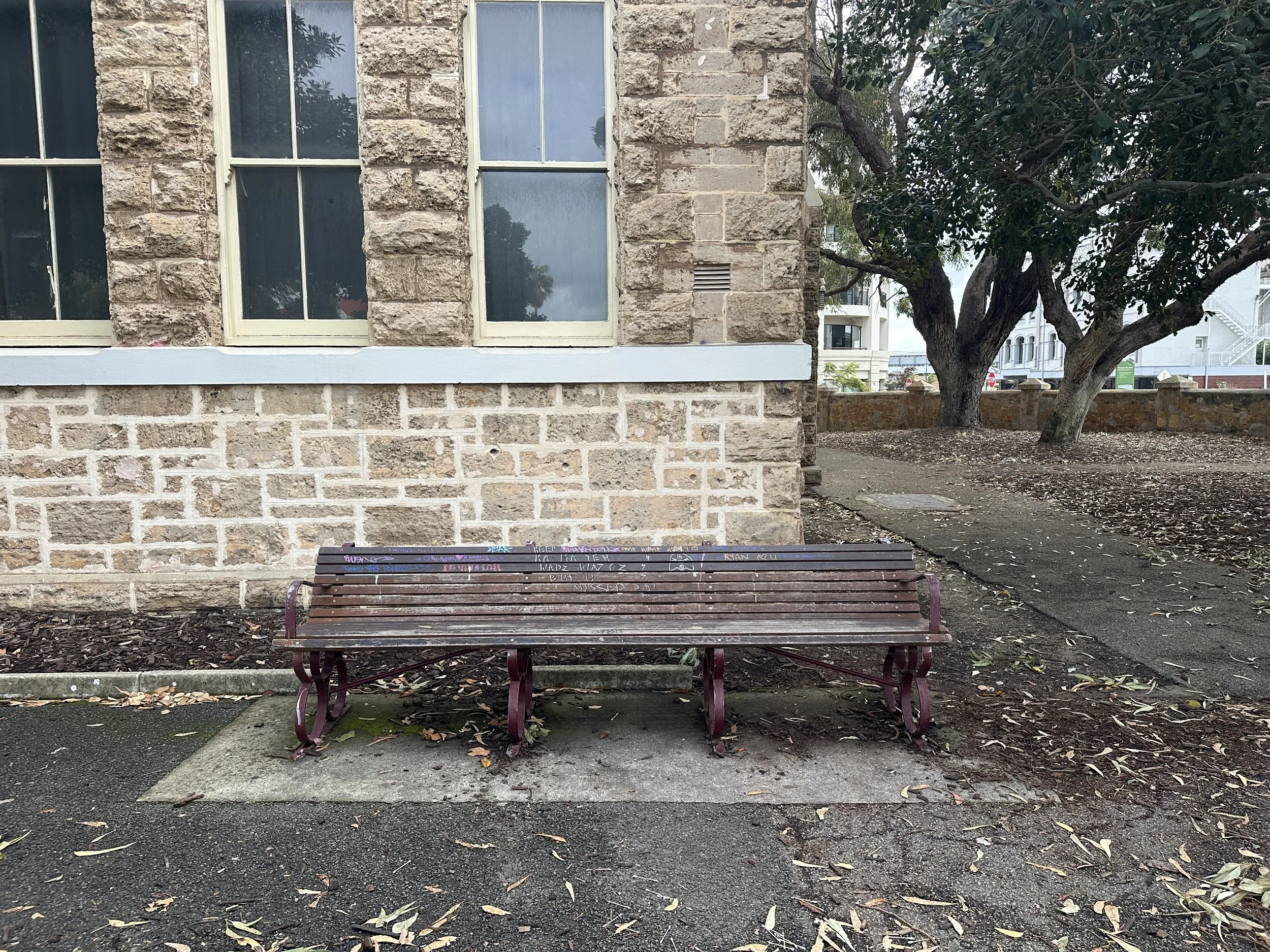
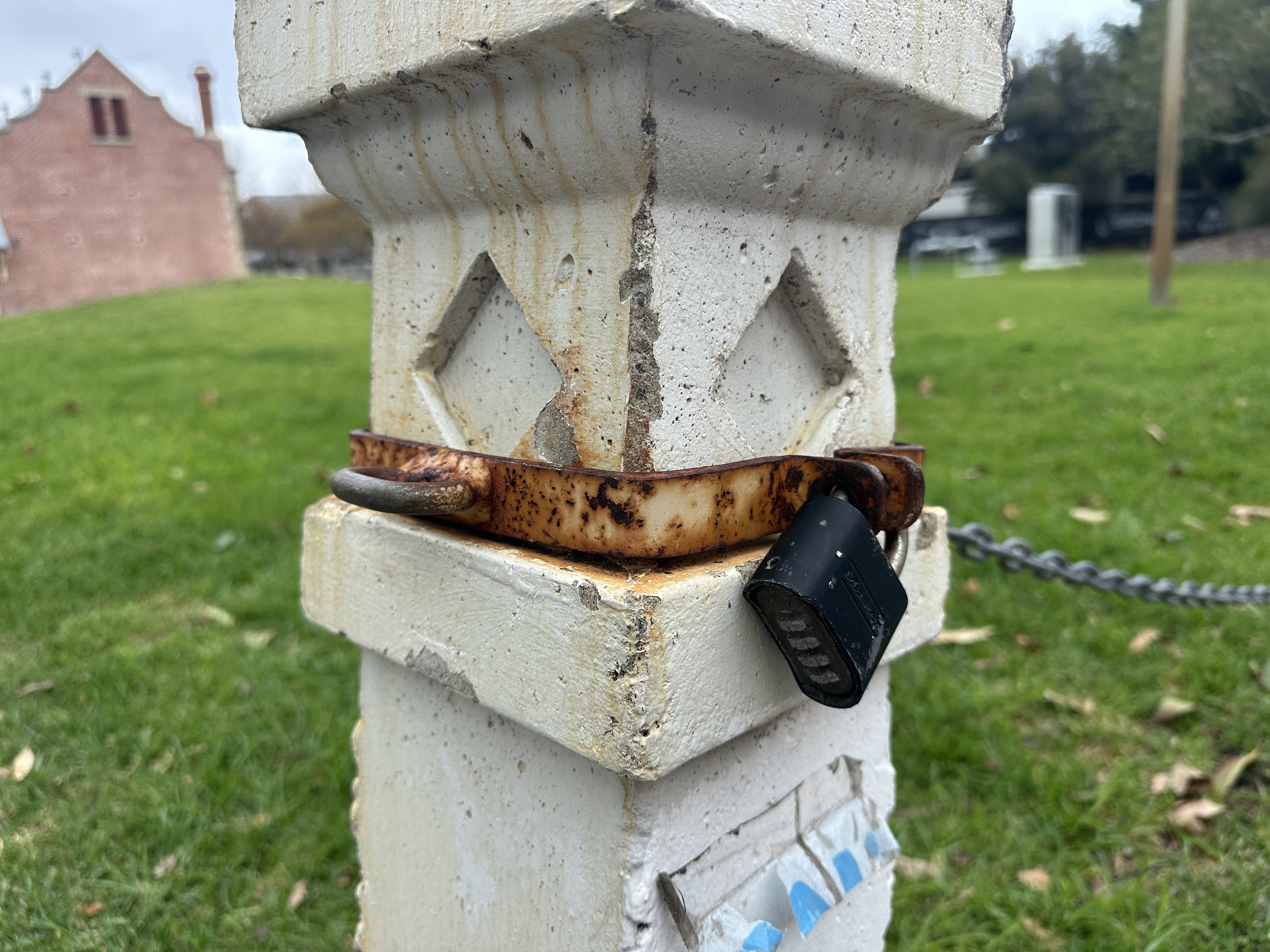
A common thread tying these user groups together is their unique perspectives, understanding and approach to public space. Consciously or not, each of these groups view and utilise public space in a much more resourceful and active way than most people. They see opportunities in areas that others overlook. An everyday bench, bollard, or stretch of bitumen could serve a number of uses or present a number of obstacles for these three groups, and it is their unique experiences that have taught them how to adapt, utilising them to suit their own needs.
Another factor that draws these groups together is the way that they are often segregated, pushed away, or fenced off by society. Services for the less fortunate are relegated to back street carparks, people living with disabilities are catered to in ways that unnecessarily highlight their differences or fail to recognise their individual agency, and areas for skateboarding are fenced off or delineated through hostile architecture.
The time I have spent at Princess May Park thus far has been used to observe what opportunities currently exist at the site. My aim is to highlight how these unique perspectives on public space are used to subvert the everyday, making something out of nothing to spark joy, gain utility or simply to open the public’s eyes to how the everyday world already operates around them, unnoticed.
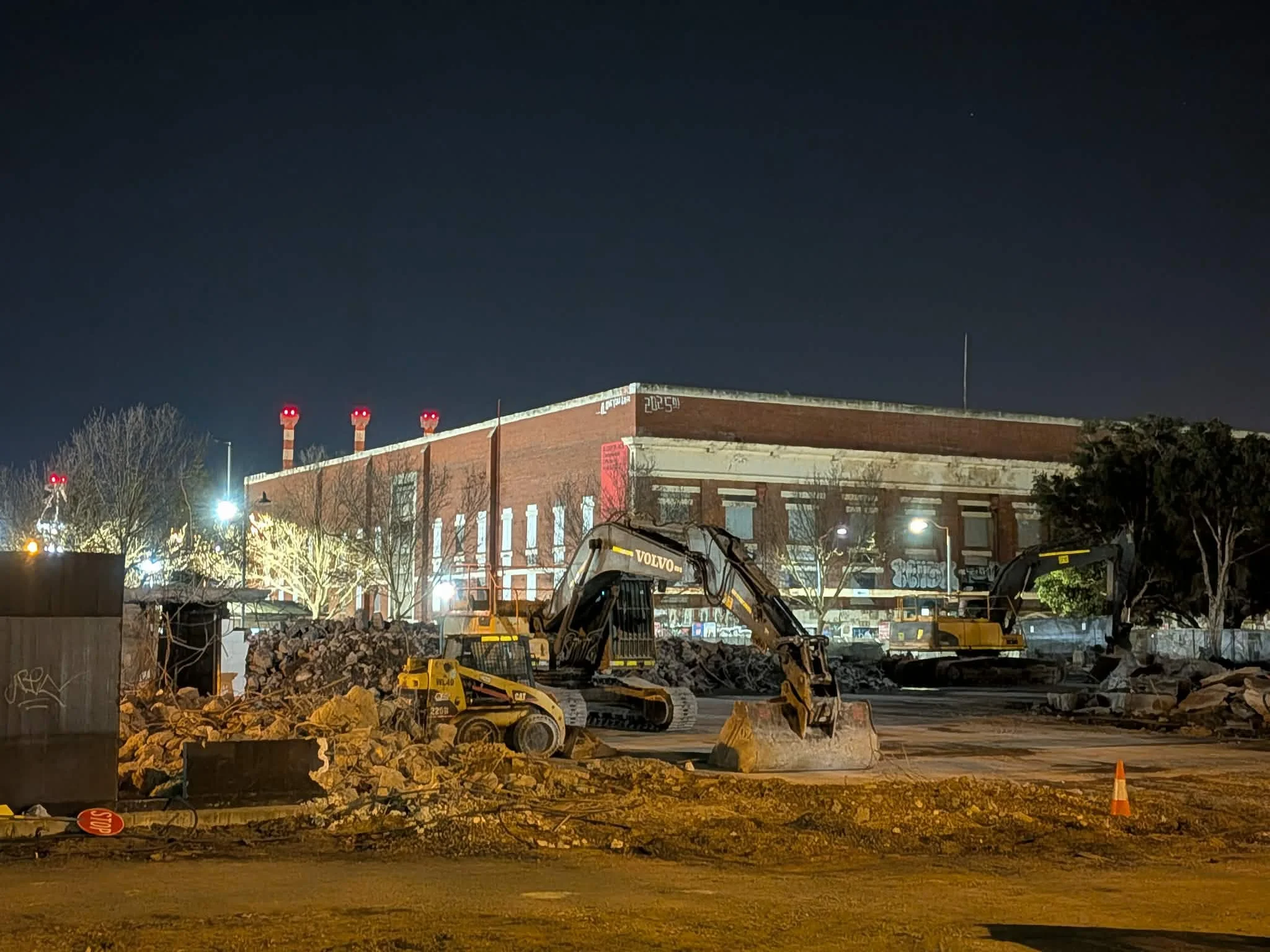
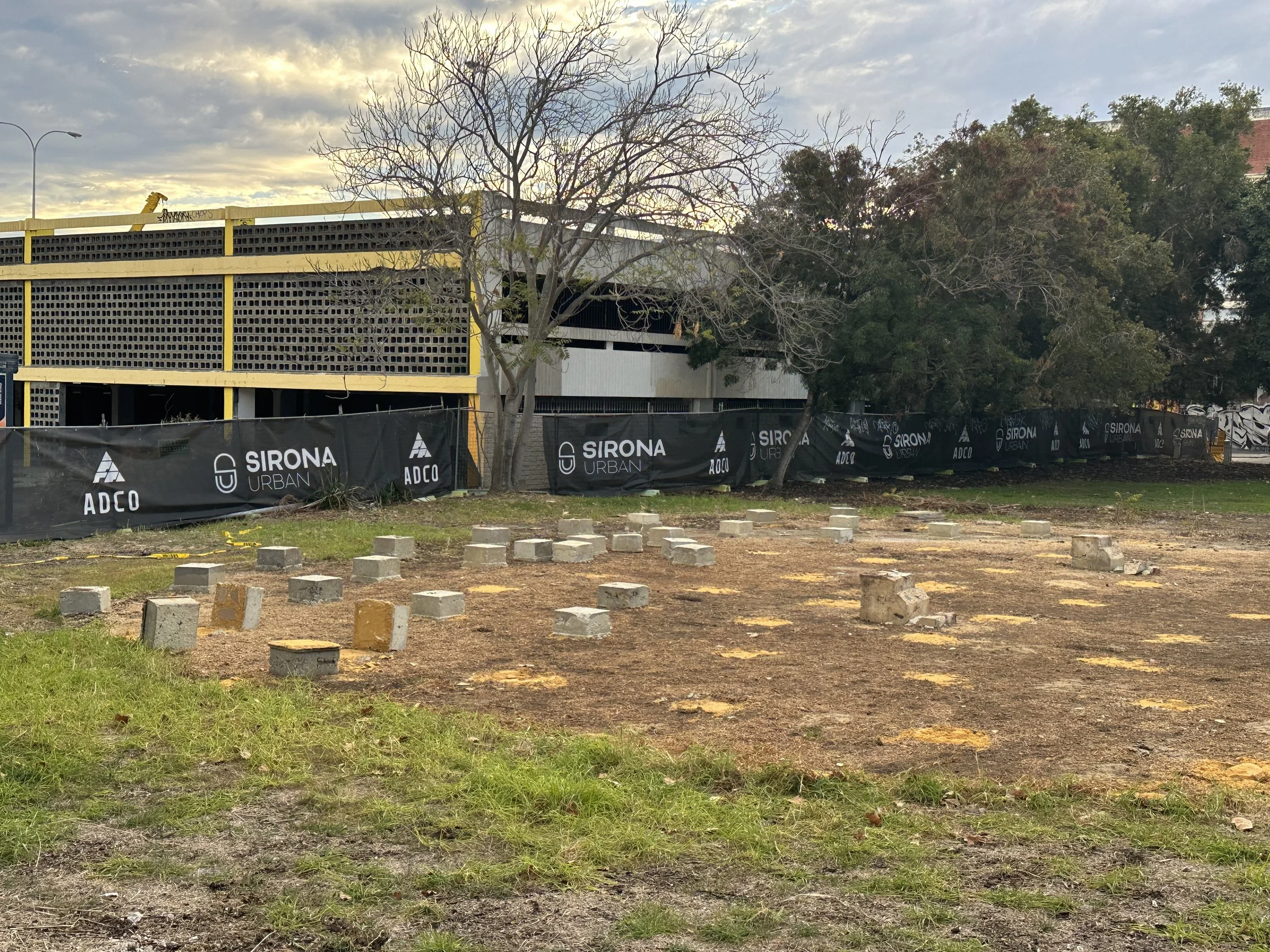
At present, the space and its surrounds are already undergoing unprecedented changes. Since 2017, the Circus WA tent that occupied a large portion of what would otherwise be public space (having an original tenancy agreement for two years) has been removed. Circus WA has accepted a recent low-interest loan of $500,000 from Adrian Fini, founder and Director of Human Urban, allowing them to relocate. The adjacent $70 million redevelopment by Sirona Urban has also commenced, with fences going up and the demolition of the multistorey carpark being recently completed. With construction of the student accommodation project imminently commencing, Princess May Park is about to experience its first taste of this new world.
Stage Two (NEXT): Communal Gathering and Intervention
Being currently based in London, I intend to continue my work remotely over the next four months by drawing on the network I built while in Fremantle. Having formed relationships with people permanently based at the site through DADAA and Clancy’s, I will be running remote questionnaire-based workshops and challenges to keep track of what is happening on site. I will also be reaching out to the City of Fremantle to understand what may be happening over the next six months, such as the routine maintenance work. This will help me to better understand the administrative/operational life of the space, and flag any upcoming changes to the area.
I also intend to set up publicly accessible live stream cameras in the area to monitor the site remotely. In my work, I will use this footage (ensuring to obscure/omit people’s faces or identifiable features), drawing upon our experience during the Woolstores Forever campaign when secret security cameras filmed us to monitor the frequency of the community using the space, thus holding a mirror up to our counterparts.
My project partners, WFAC and WASA, have been incredible supports thus far. WASA is providing incredible assistance on the ground, with almost daily updates and support. Through WFAC I intend to explore connections to the site through traditional owner groups.
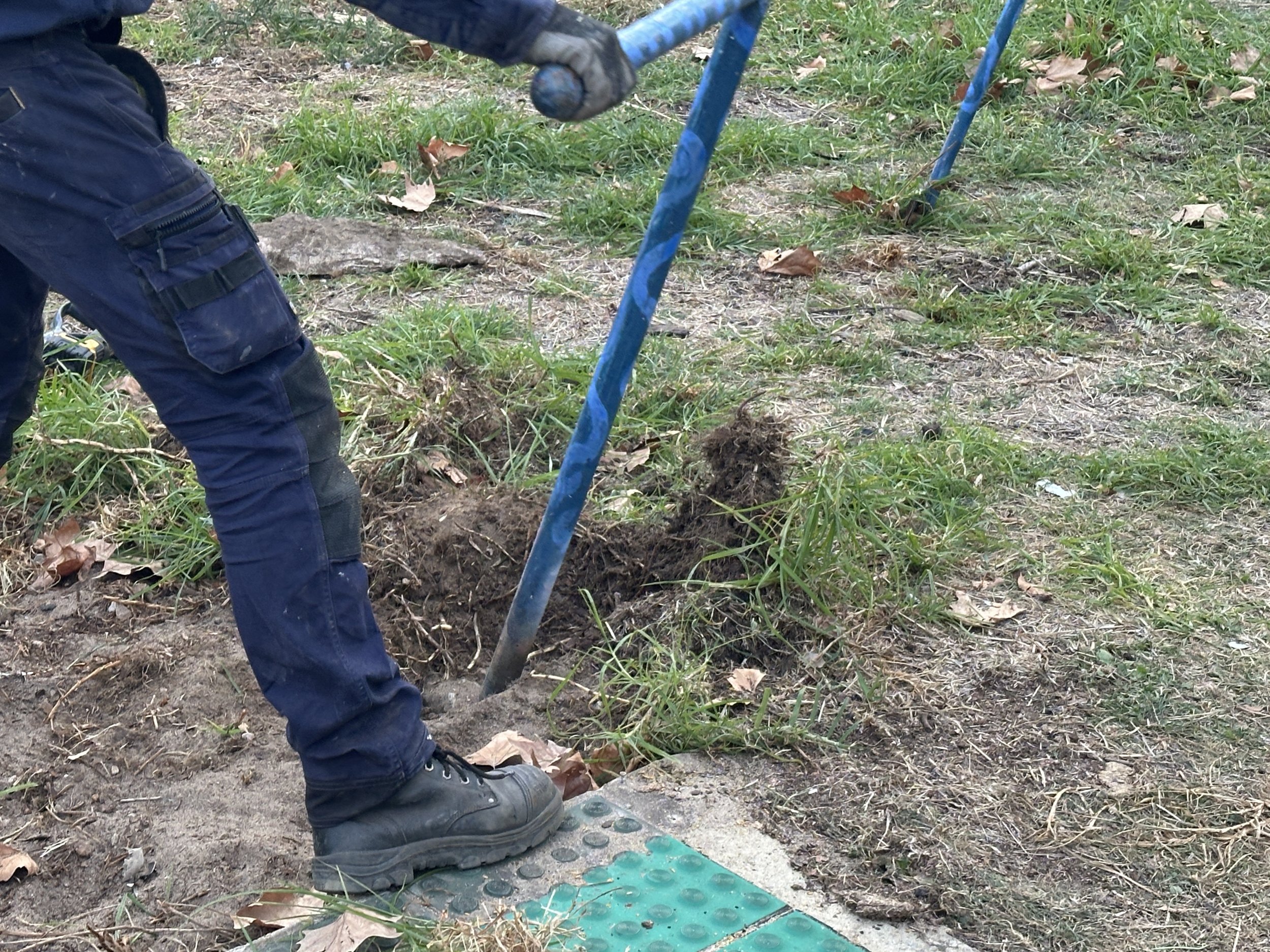
In the meantime, I receive steady stream of messages, calls, videos and photographs sent from a variety of community members, documenting the ever-changing landscape and contributing to what I hope is an honest archive of a public space that will never be the same again.
Image 1 by Zachary Tilghman.
Other images courtesy of the artist.
More about Jack’s project.
More about the Know Thy Neighbour #4: Gesturesproject.
More about WASA and Woolstores Forever.
Stay up to date by subscribing to SPACED’s monthly email newsletter, and following SPACED on Facebook and Instagram.
This project has been assisted by the Australian Government through Creative Australia, its principal arts investment and advisory body.
Explore our programs
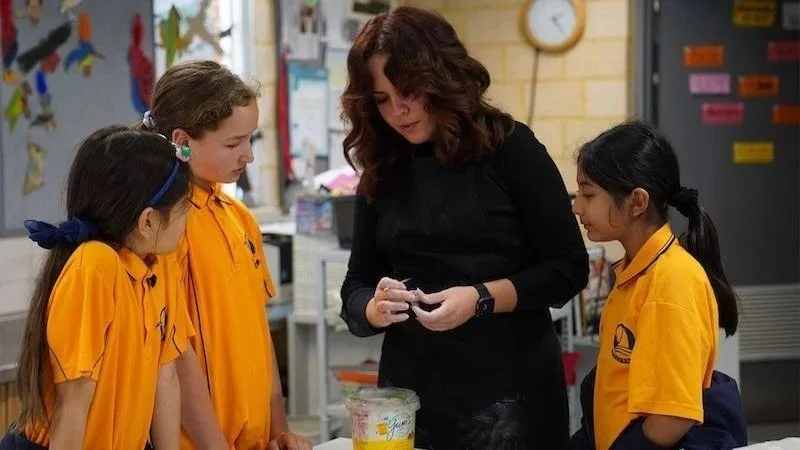
Know Thy Neighbour #3 (2021-23). Know Thy Neighbour #3 investigates notions of place, sites of interest, networks, and social relationships with partner communities.
Circular Economies (2024-25) is a series of socially-engaged residencies in regional Western Australian communities, culminating in an exhibition at PICA in 2026.
ence.