Know Thy Neighbour Residency: Cassandra Tytler with Town of Victoria Park #2
Know Thy Neighbour #4 artist Cassandra Tytler gets involved with the Burswood Parkrun community, creates a counter-map and learns about surrounding animals’ habits, social interactions and sonic reactions. Working together with Town of Victoria Park, Cassandra explores a place through relationships that extends beyond its mapped boundaries.
Whew! It has been an incredible month or so as I moved outside to focus my attentions on the Burswood Peninsula. I joined Parkrun at Burswood Park and have become hooked. My second week attending a run found me jogging through knee-high water. If it wasn’t part of my art research, I definitely would not have ridden my bike through the rain to join the group, and I didn’t expect anyone would turn up anyway. Yet there they were, a group of people determined to brave the weather and be at one with the elements. Brad, the director for that week, suggested there was still time to move to the Claisebrook run, which at least wouldn’t be flooded, but no! I’m shocked to report that not only did we run, but we waded, walked and stumbled through knee-high flooding for about 40 metres.
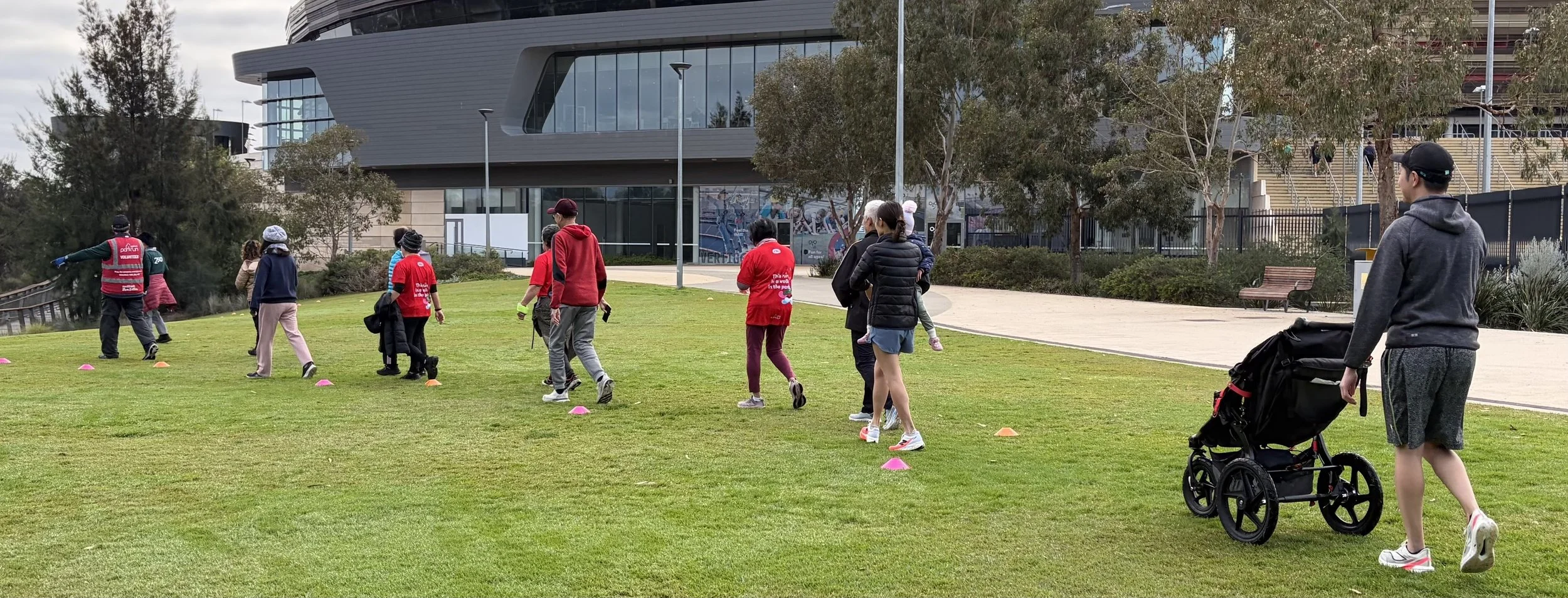
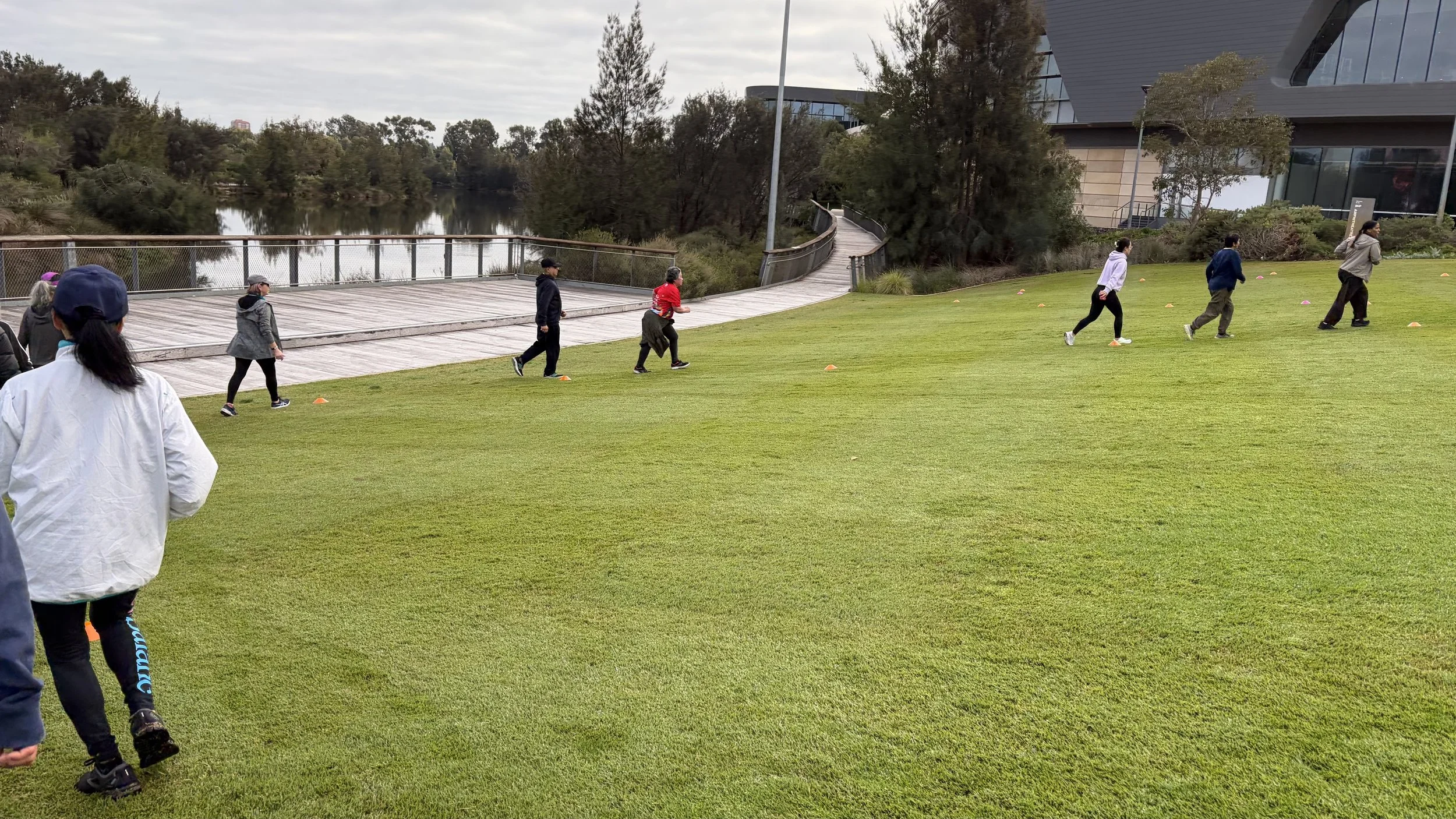
What inspires me about Parkrun is that no one notices or cares about your running time. There is no shame in walking the 5 kilometres. The experience is about connecting with a community, moving in any which way you like over a 5 kilometre path, and importantly, doing it within the natural environment. There are some who come to Burswood each week, and others who travel around to experience different Parkruns. People have strong opinions about preferred tracks and places and can recount the various connections they have made along the way.
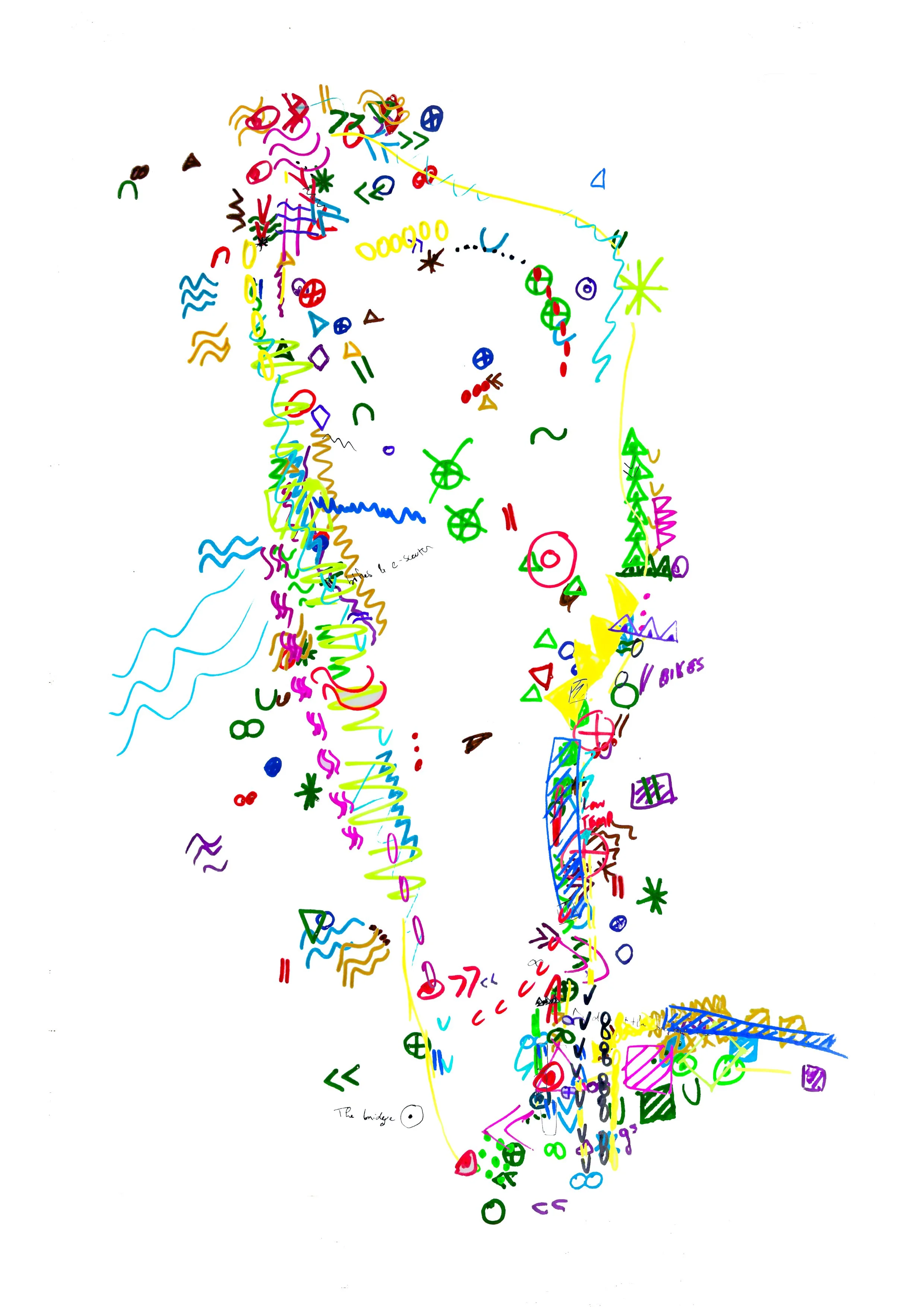
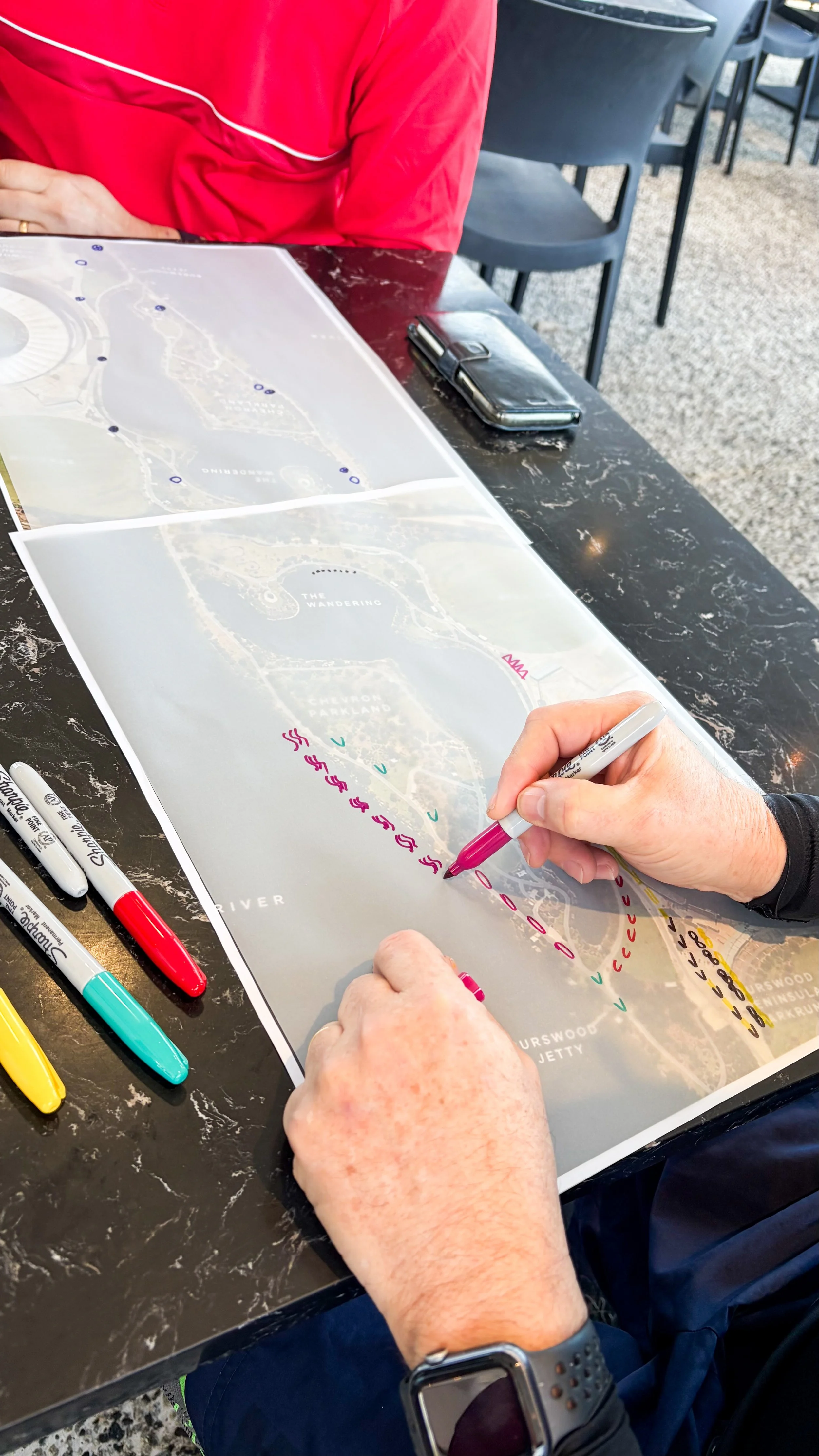
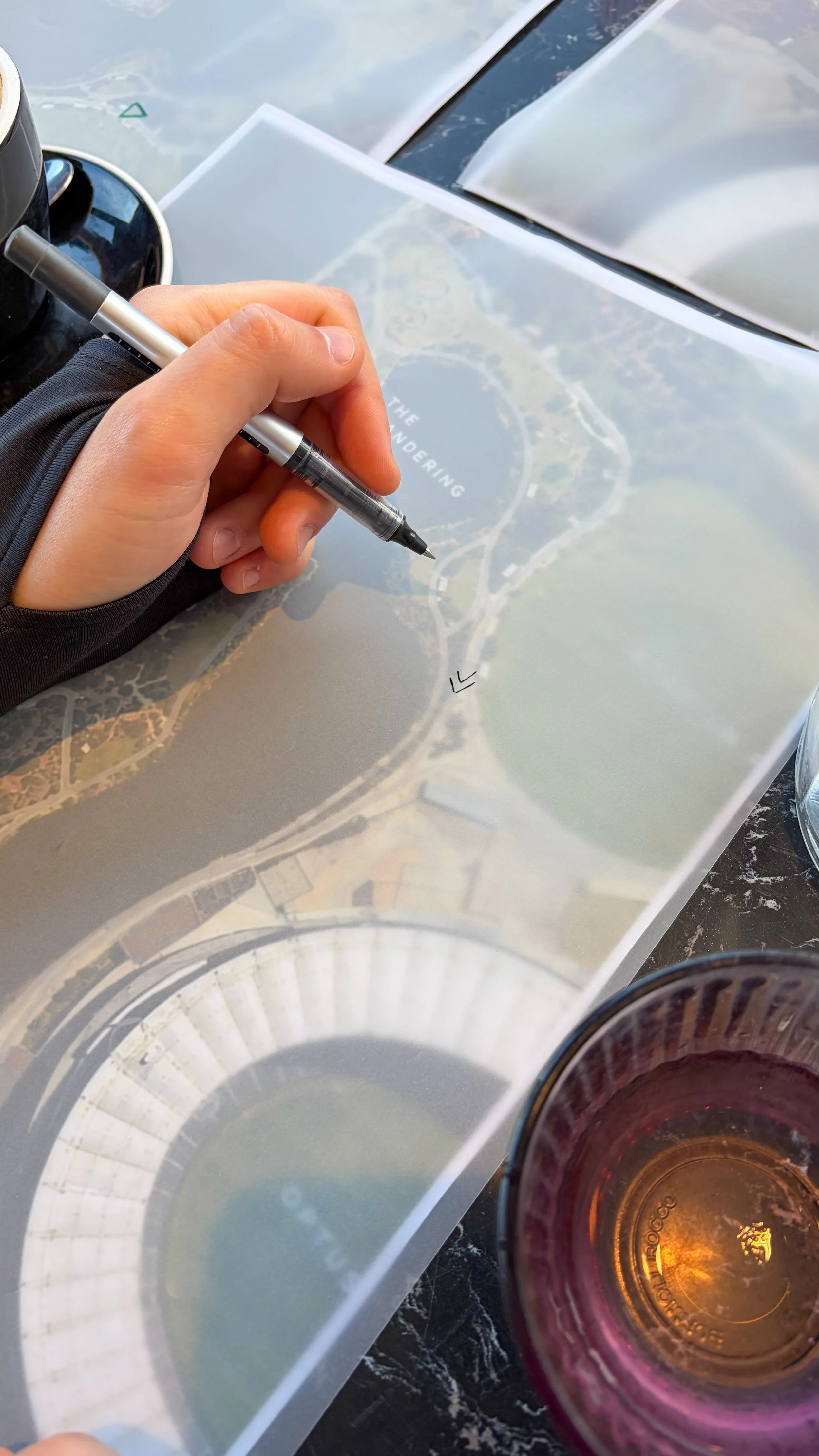
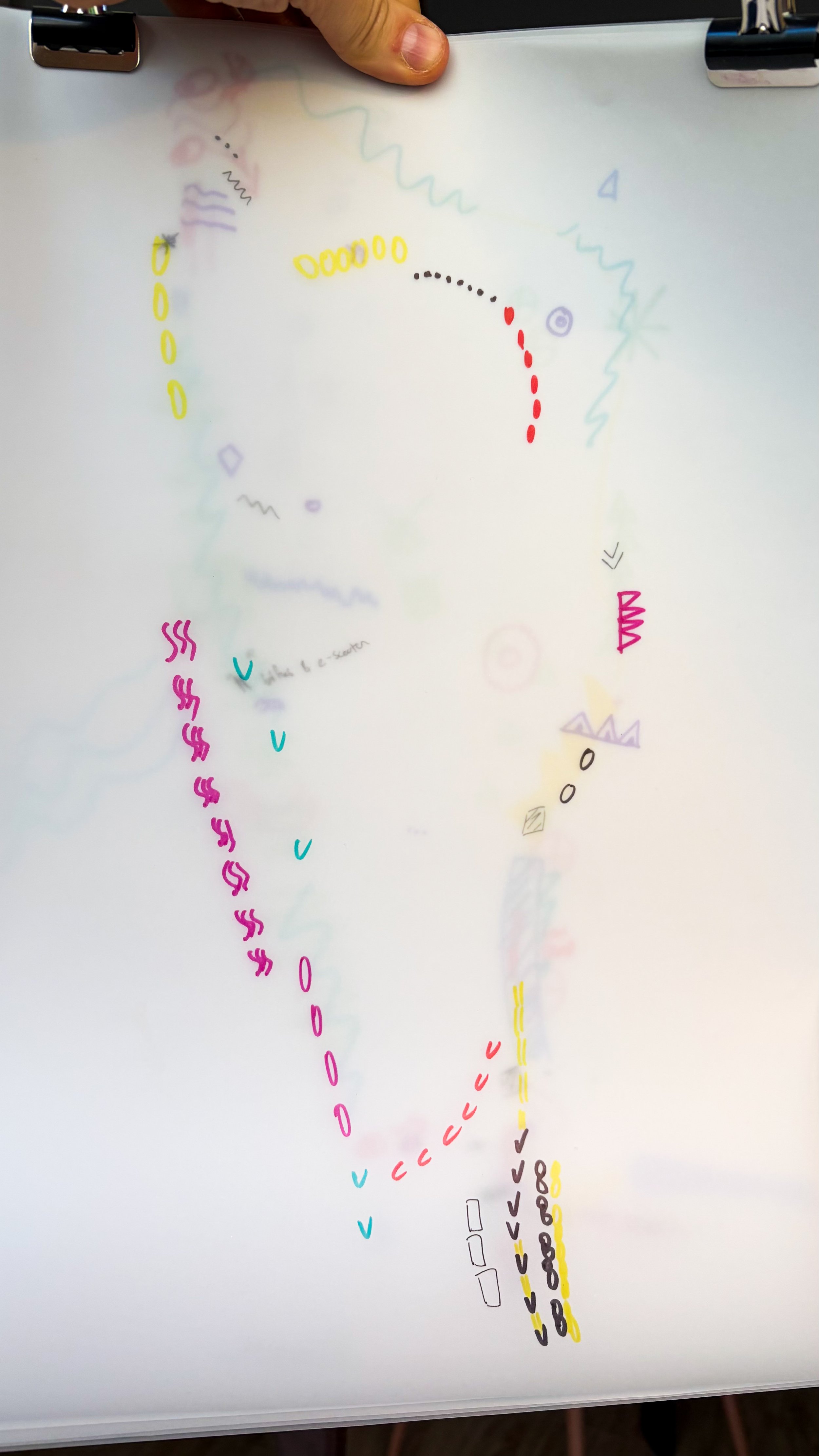
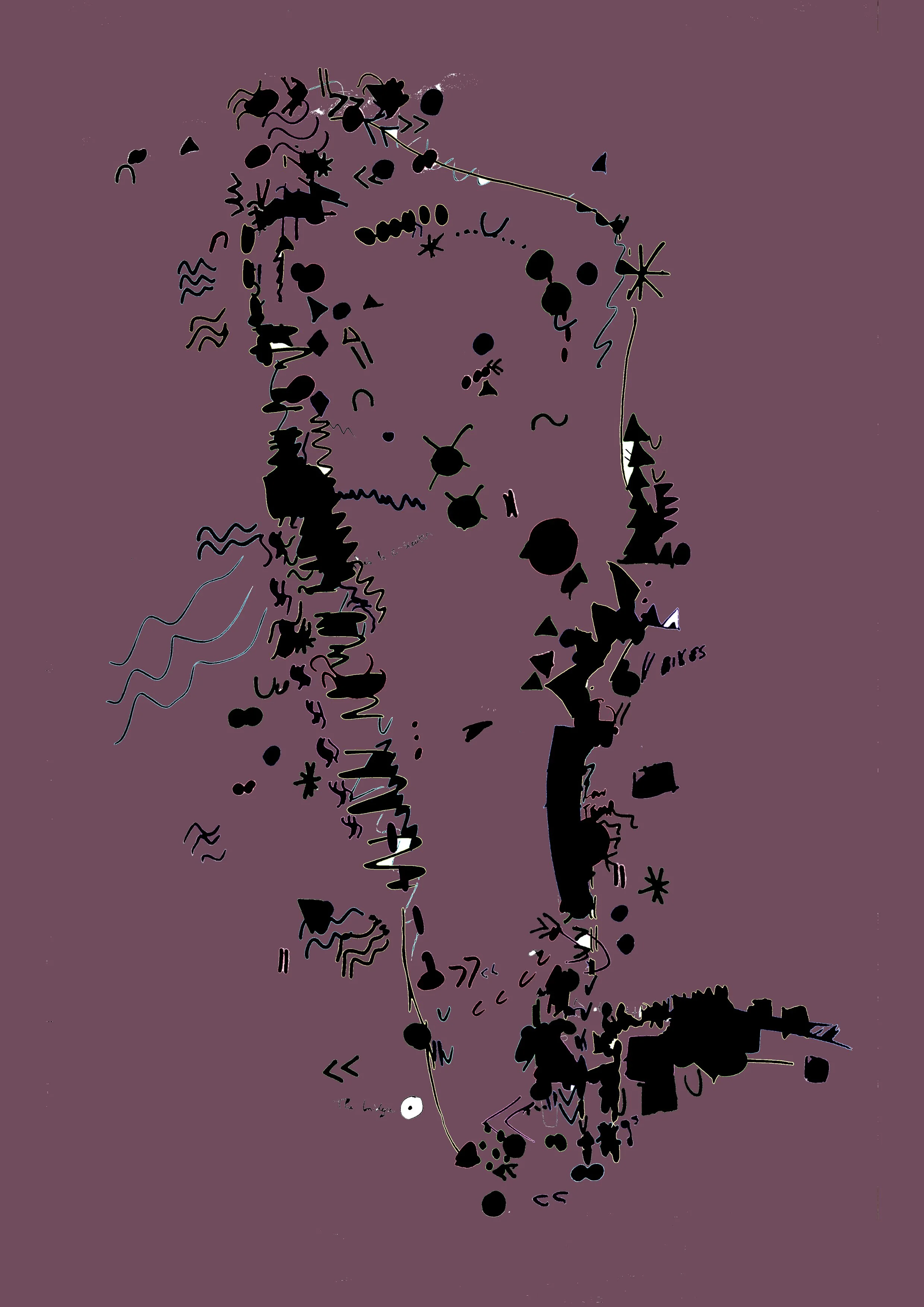
It was this experiential running that I became interested in exploring for my second event. I set up an activity where Parkrunners ‘re-mapped’ their run according to different aspects of their experience beyond the direction of the path. What was happening in their body at different points in time? When did something take them outside of themselves to notice a new thing? What sounds, animals, plants, changes in weather or other sensory elements did they become aware of? Everyone was given the same map from above, but created their own experiential record by drawing symbols on tracing paper. I was interested in the counter-maps that were created that told a story beyond the fixed boundaries of the traditional route.
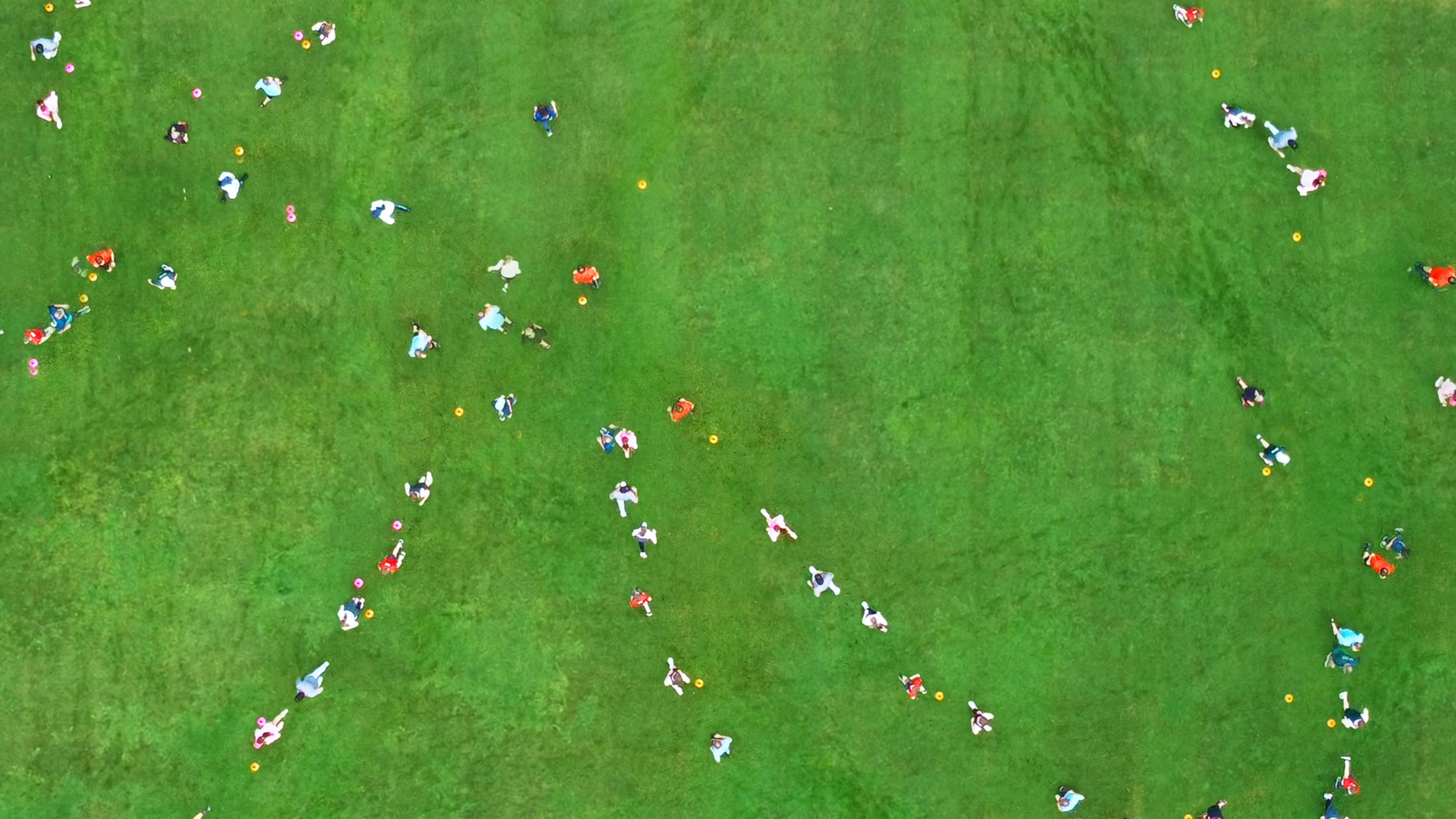
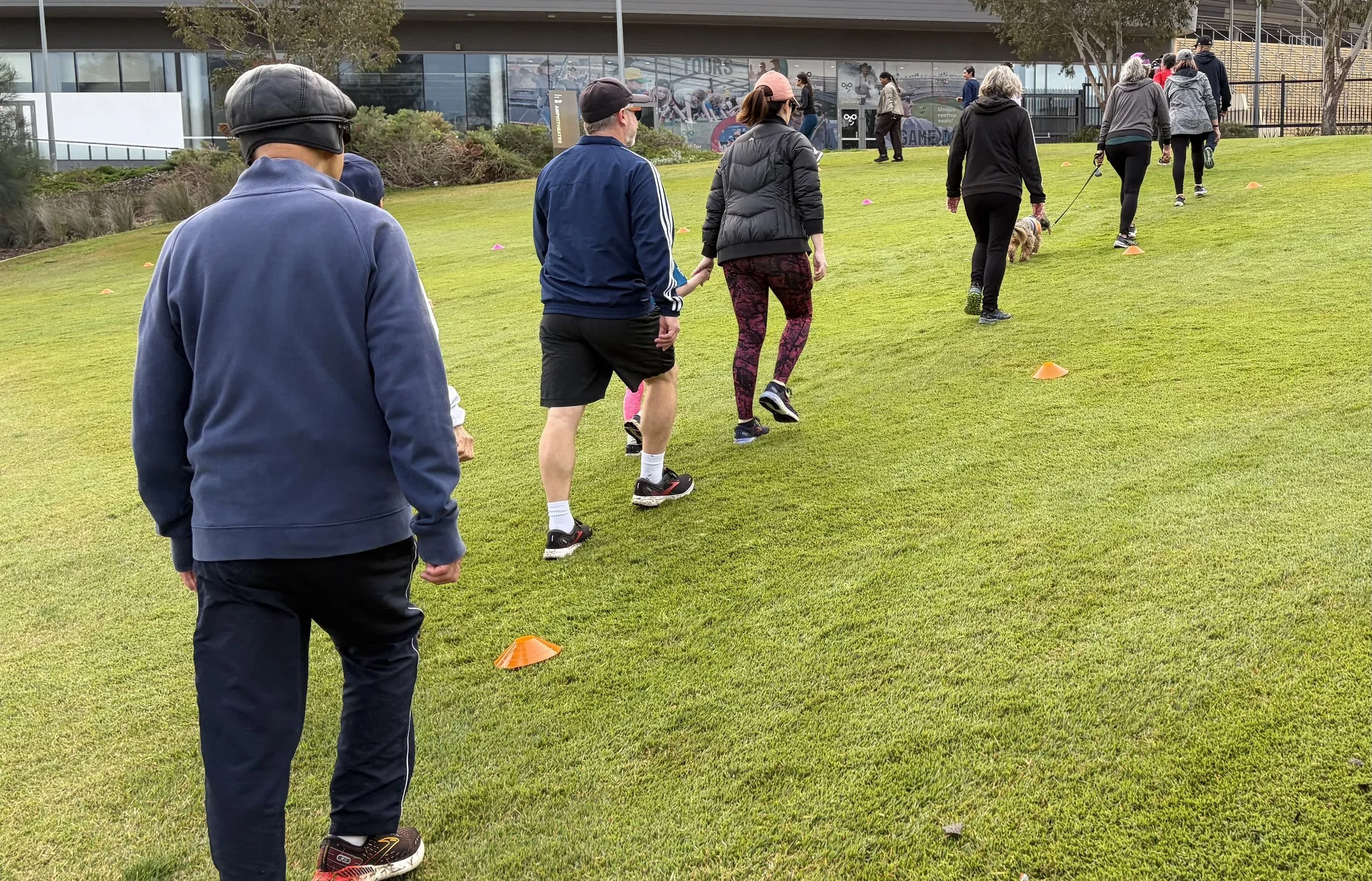
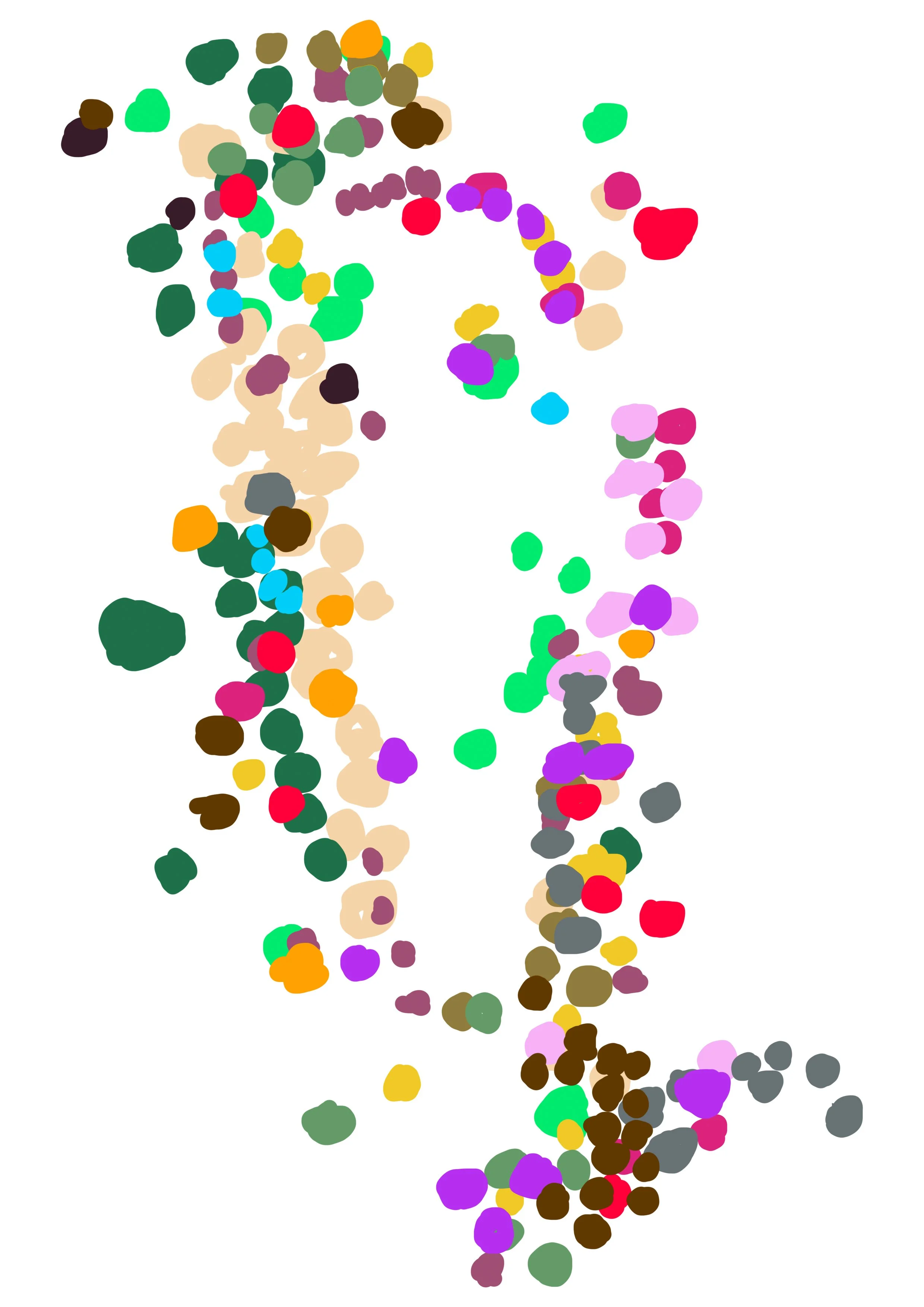
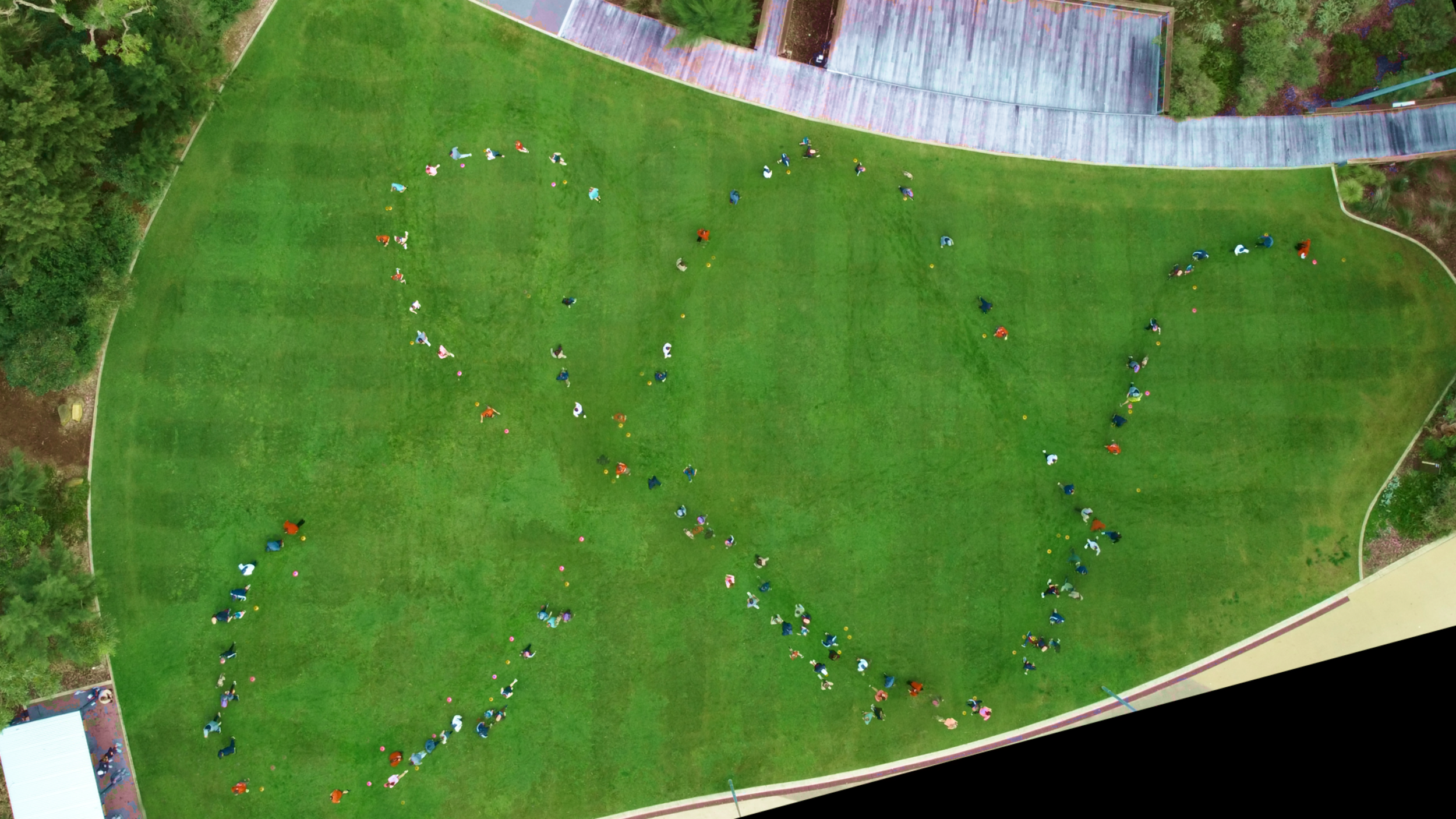
From there I created a new Parkrun path, not to scale, but one that formed a new shape thanks to what the participants told me through their counter-maps. This led to the next event. Just over 55 Parkrunners generously took part in this re-map of a section of a grassed area. Together, they ran and walked this new shape, bringing something new into existence. It made me think of geoglyphs, where a collective can create something larger than themselves without being able to see the whole shape as they make it. I asked Eliot Hanrio to film the action from above, where the pattern became visible.
Alongside Parkrun, I have also been talking with people who live around Burswood Park. One thing that kept coming up was the motorway construction and the noise and vibration it creates. Some residents described not only hearing the construction but feeling it through the ground. This got me thinking about all the sound and vibration that moves through a place, whether we are consciously aware of it or not.
I spoke to countless researchers – Rachel Newsome, Kiera Gordon, April Sturm (snake-necked turtles); Chong Wei (the acoustics of dolphins and fish); and Grace Blackburn (noise effects on birds) – to learn more about turtle/dolphin/bird habits, social interactions and sonic reactions. I learnt about turtles’ strong site fidelity and their possible navigation through a combination of currents, smell, sound and vibration, and dolphins using whistles during play and echolocation to navigate. Dr Wei described bottlenose dolphins becoming almost silent after prolonged construction noise, while Dr Blackburn discussed how anthropogenic noise can diminish magpies’ ability to hear foraging cues and threats. I’ve become fascinated by all these different sensory worlds occupying the same place.
Sound also doesn’t care much about boundaries. It travels across the mapped divisions that tell us where one place or activity starts and another ends. Counter-mapping has become important to me for this reason. It offers a way of paying attention to what falls outside the usual boundaries and categories through which a place is understood. The Parkrunners mapped bodies, sounds, weather, animals and the things that drew them outside of themselves, but spending time in the park, listening to the place and learning from the people and researchers I’ve met has made me think about all the other experiences of this same place that we don’t see, hear or even consciously sense. These aren’t just interesting additions to the park. They are lives and relationships that are continually being altered by the decisions we make about what a place is for.
I’m now thinking about the park less as a collection of separate areas and more as a web of relationships that extends well beyond its mapped boundaries. What it might mean to take those relationships seriously is increasingly finding its way into the final work.
A very big thank-you to the Burswood Parkrun community, including all the volunteers and Run Directors Brad, Marty and Elliot, for being so generous with their time and enthusiasm. Thanks also to the researchers mentioned above, as well as Ian Barlow, who took time aside to answer all my questions. Thanks to local residents and members of the Save Burswood Park Alliance, Sue Quinn, Amanda Morcomb and Gerry Prewitt for the generous conversations they provided. And thanks to Eliot Hanrio for helping film the Parkrunners bright and early on a Saturday morning.
Images courtesy of the artist, drone shots by Eliot Hanrio.
More about Cassandra’s project.
More about the Know Thy Neighbour #4: Gestures project.
More about Town of Victoria Park and Burswood Parkrun.
Stay up to date by subscribing to SPACED’s monthly email newsletter, and following SPACED on Facebook and Instagram.
This project has been assisted by the Australian Government through Creative Australia, its principal arts investment and advisory body.
Explore our programs
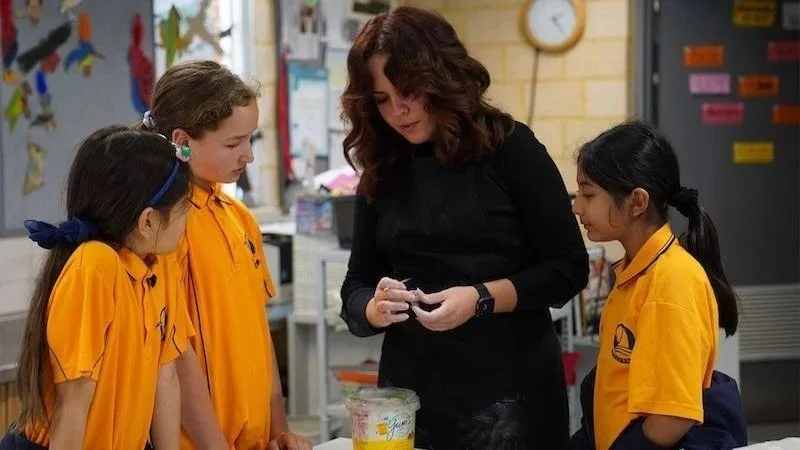
Know Thy Neighbour #3 (2021-23). Know Thy Neighbour #3 investigates notions of place, sites of interest, networks, and social relationships with partner communities.
Circular Economies (2024-25) is a series of socially-engaged residencies in regional Western Australian communities, culminating in an exhibition at PICA in 2026.
ence.