
Circular Economies Residency: Sue Hauri-Downing & Tarsh Bates in Beverley #3
SPACED Circular Economies artists Susan Hauri-Downing and Tarsh Bates share reflections about their research on residency in Beverley with Beverly Station Arts.
Beverley
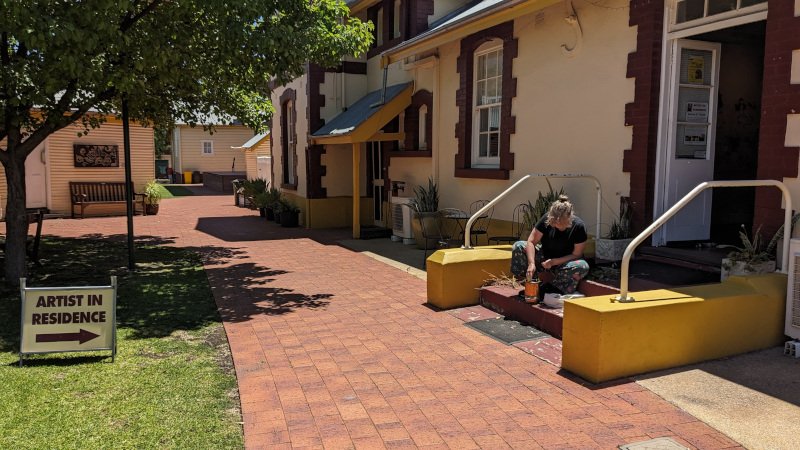
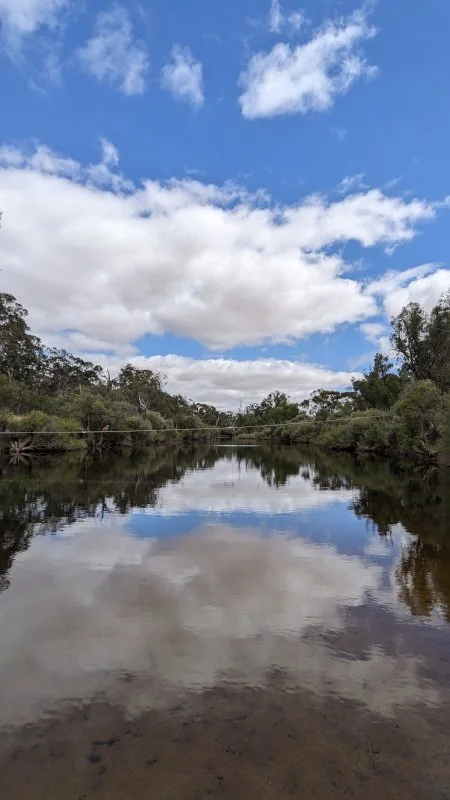
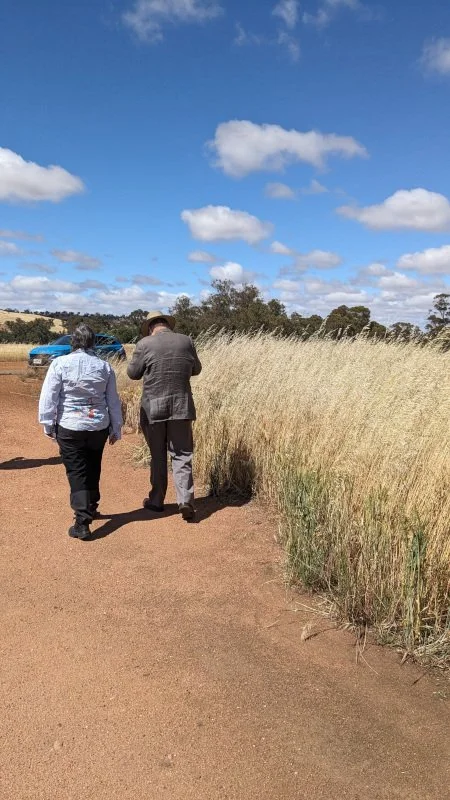
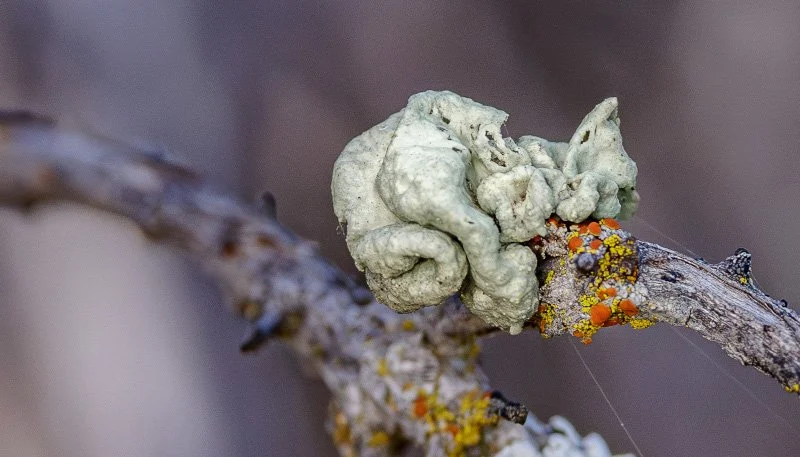
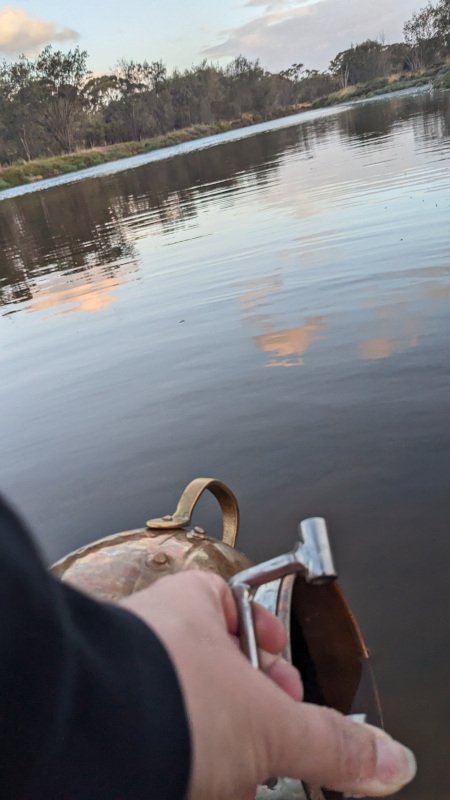
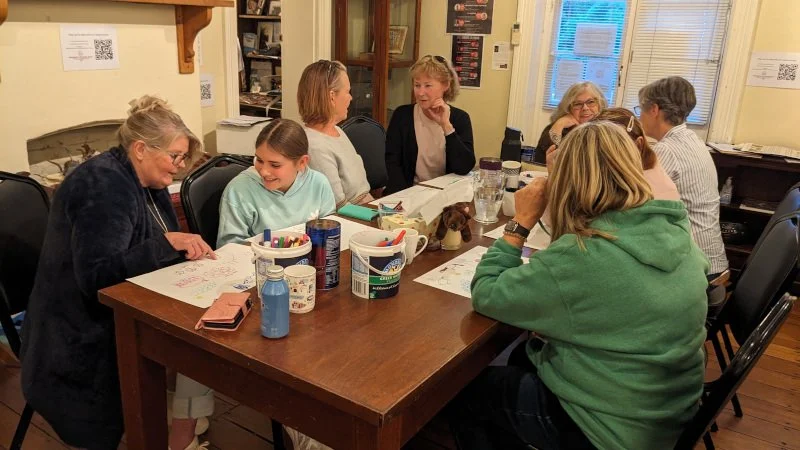
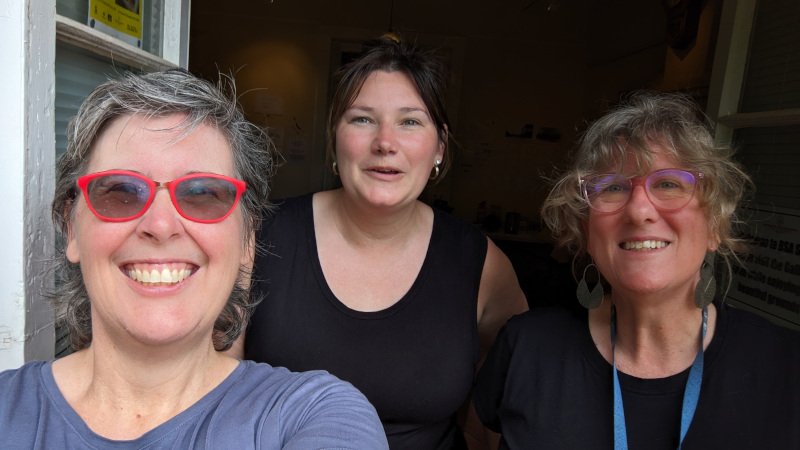
We've spent the past five weeks at the Beverley Station Arts Gallery noticing how the smells shift with the season. In that time, we've been smelling, listening, touching, looking, feeling; tuning in not only to the land, the water, the drift of clouds and stars, and the rise and fall of afternoon warmth, but also to the ways people (human and more-than) hold one another in familiar orbits.
There are tensions and strong opinions, not least of which is the long-standing beef between Beverley and Westdale. There are many shared spaces where these differences soften: the community garden, the river care group, the rifle club, the theatre group, the historical society, the Avondale Farm, the bakery, the galleries. In these spaces, where oftentimes the unspoken rule is that politics are better left at the gate, you can lend a hand, fall into rhythm with others. These are the microclimates of a small town, the sites where connection becomes both possible and delicate.
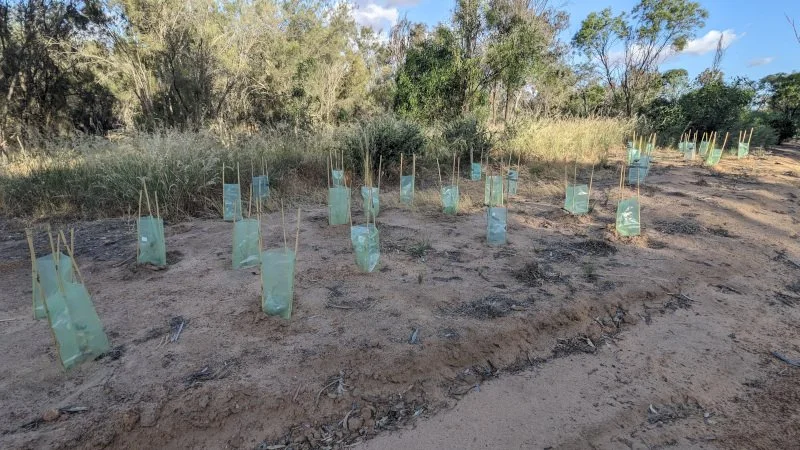
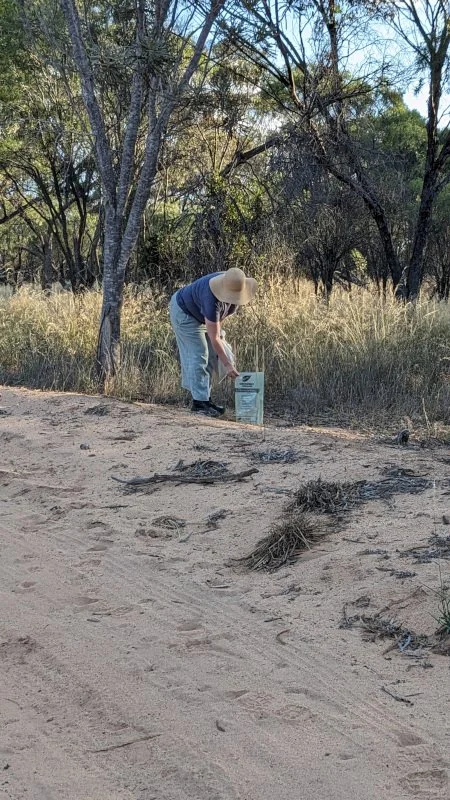
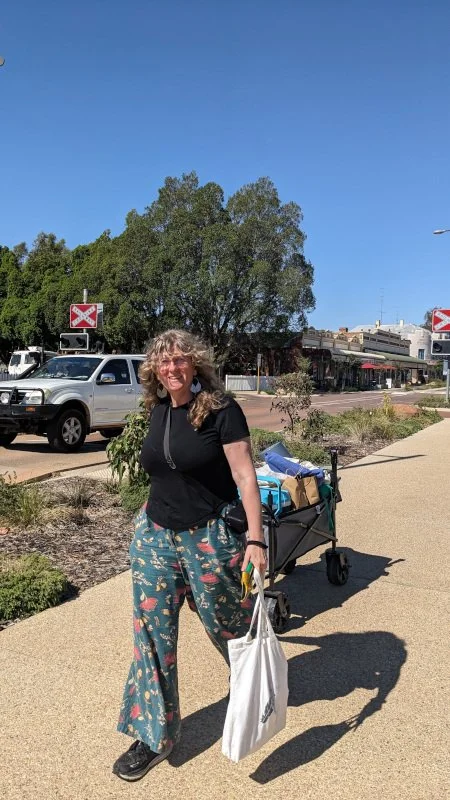
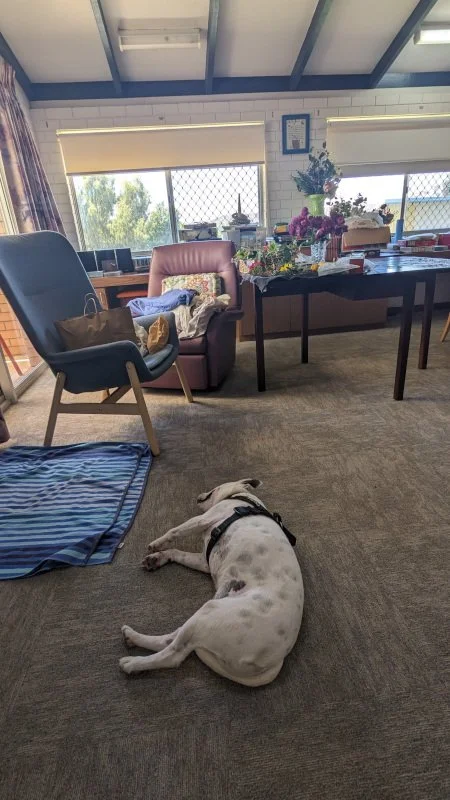
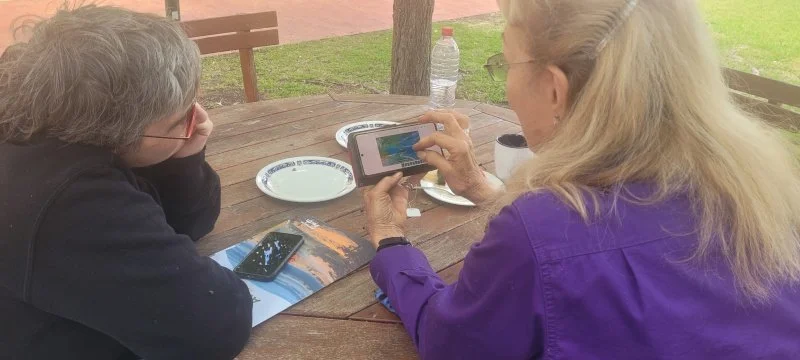
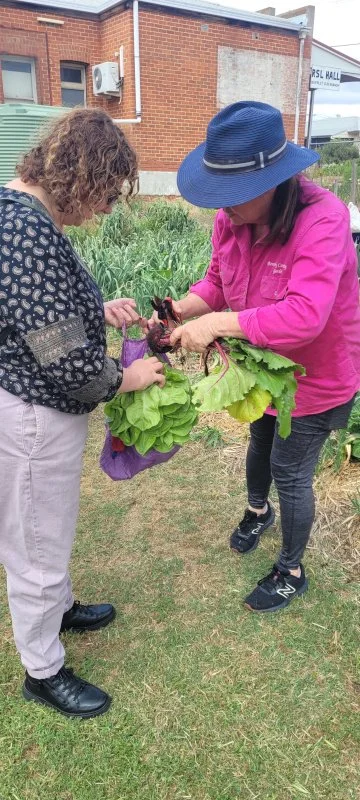
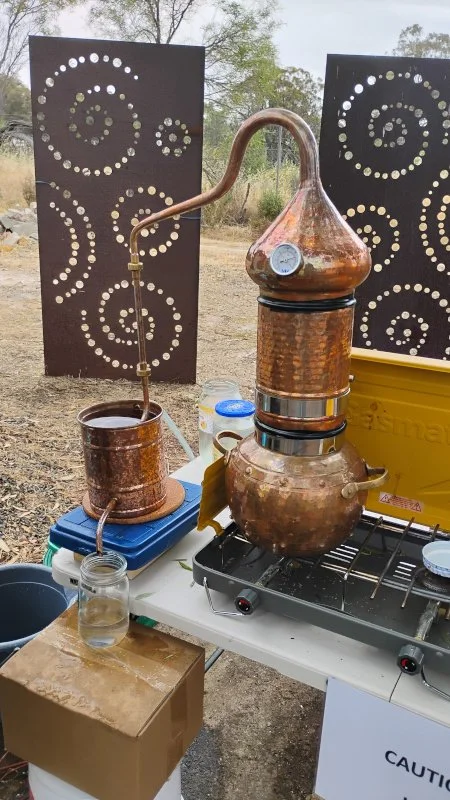
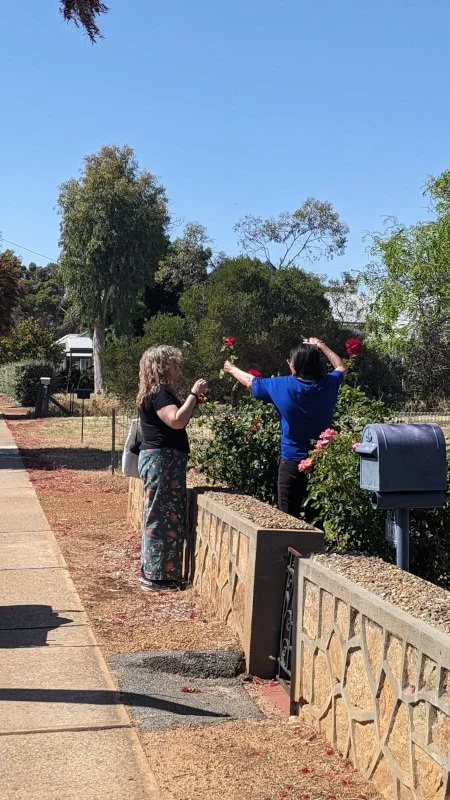
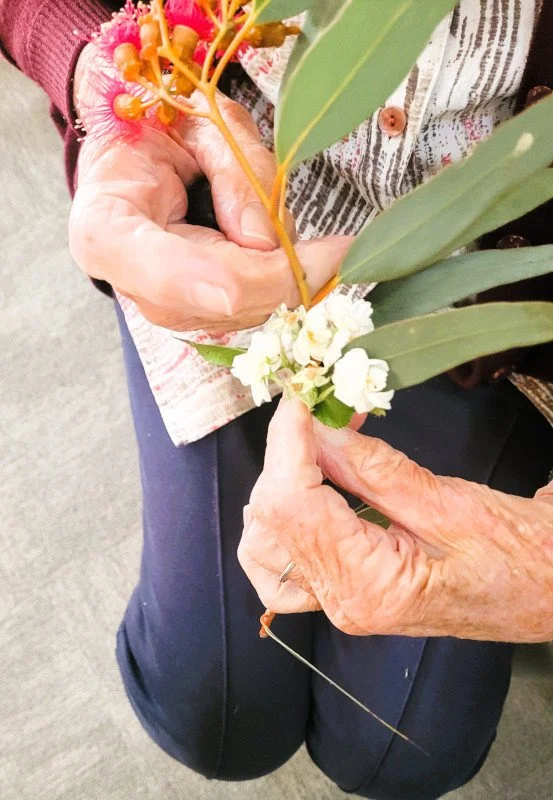
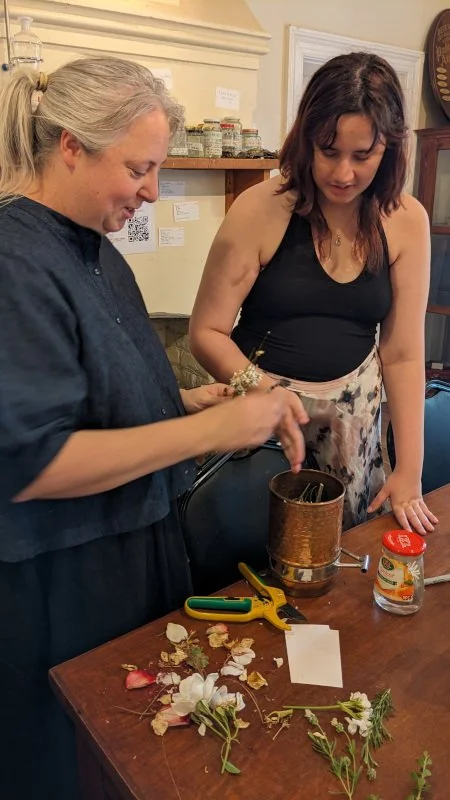
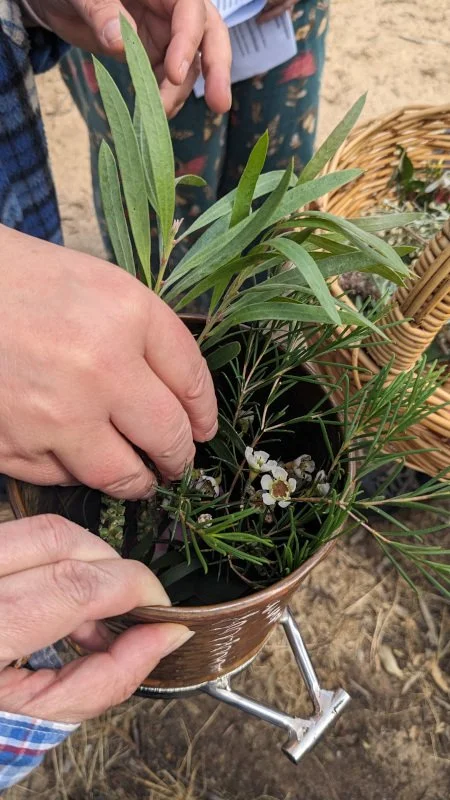
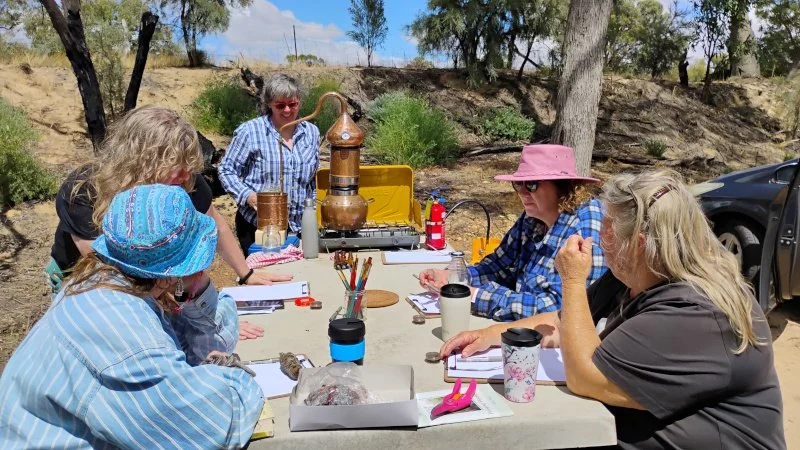
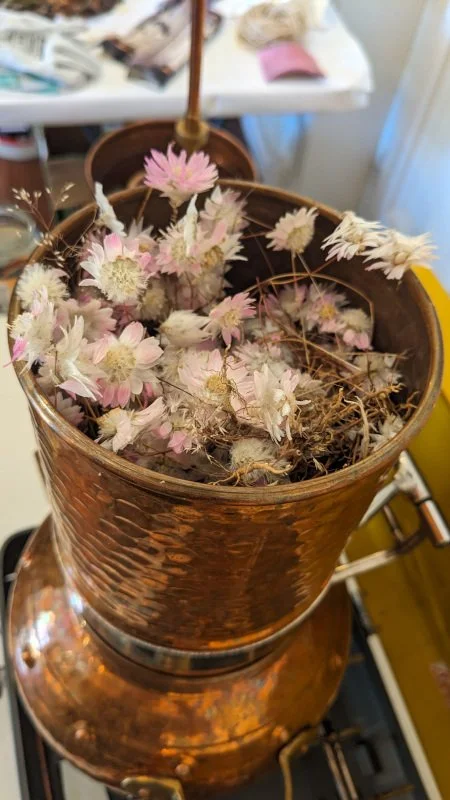
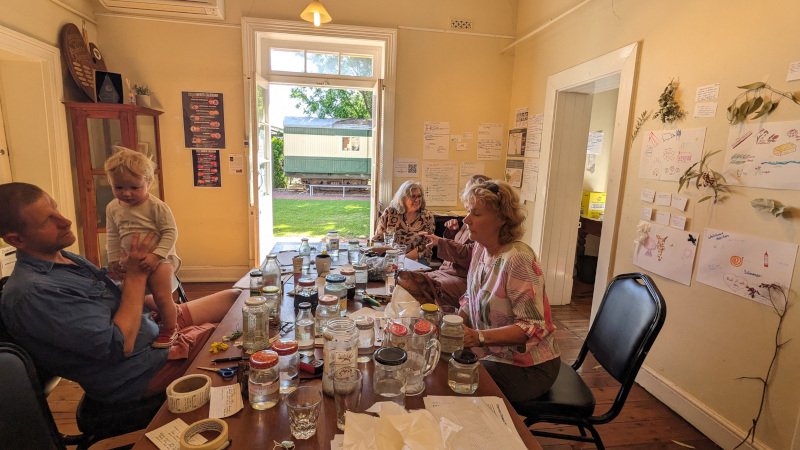
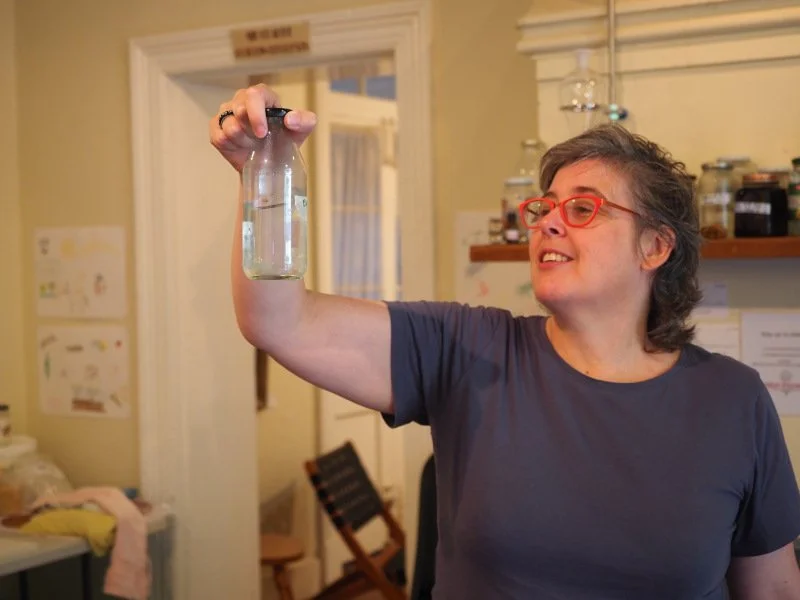
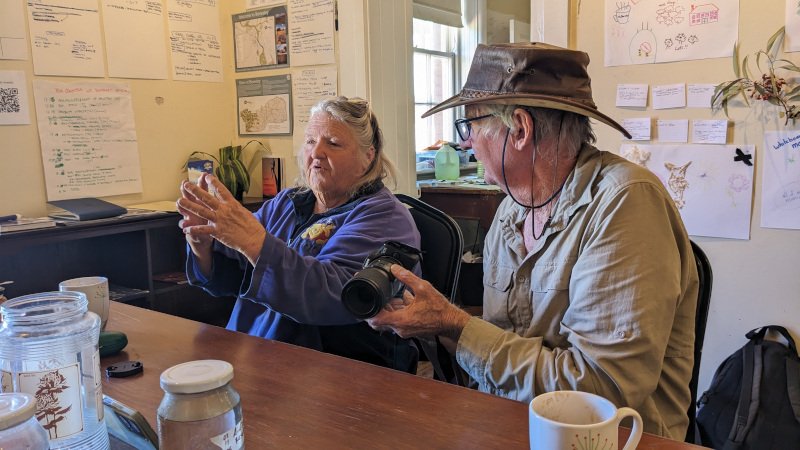
Connection is an intangible, valuable and sustaining currency: it's visiting the frail care home with the still and Tarsh's sister's dog, who is welcomed with joy and memories of dogs past; locals dropping into the gallery with botanicals and stories and staying for a couple of unhurried hours; strangers we've been told we have to meet arriving with curiosity and leaving with a bottle of fragrant water; weeding with Peter at Brooking St Reserve; picking up veges from the Community Garden every Tuesday; describing what we are doing here to bemused transient grey nomads and seasonal workers here for harvest. Gestures become circuits and rhythms that gather and repel, scents that infiltrate and evaporate.
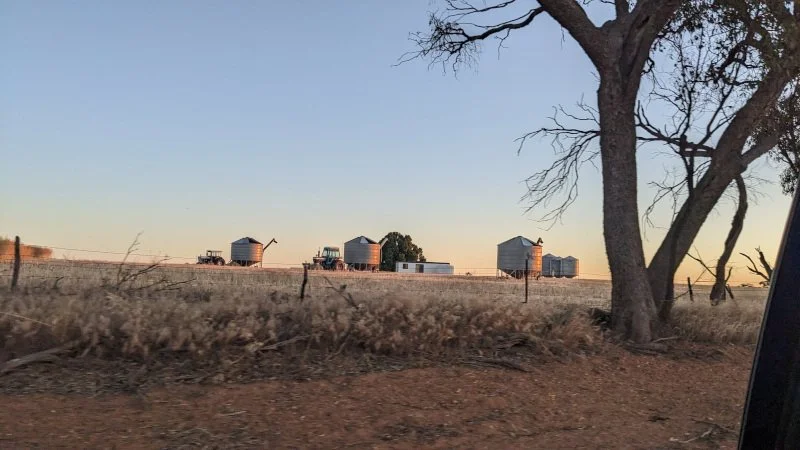
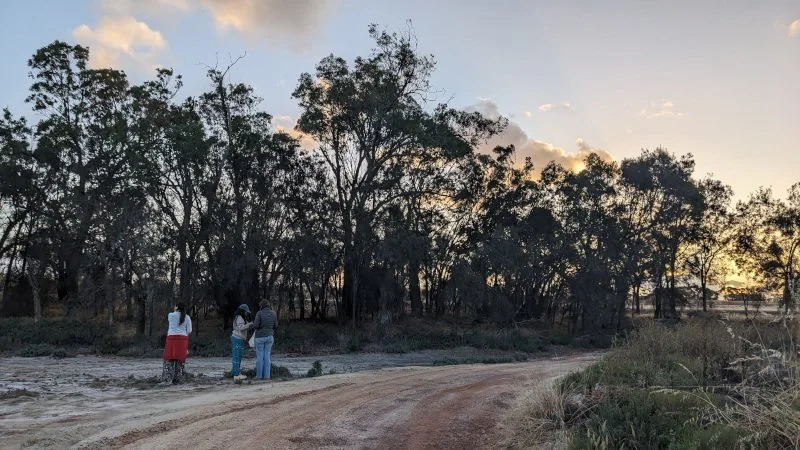
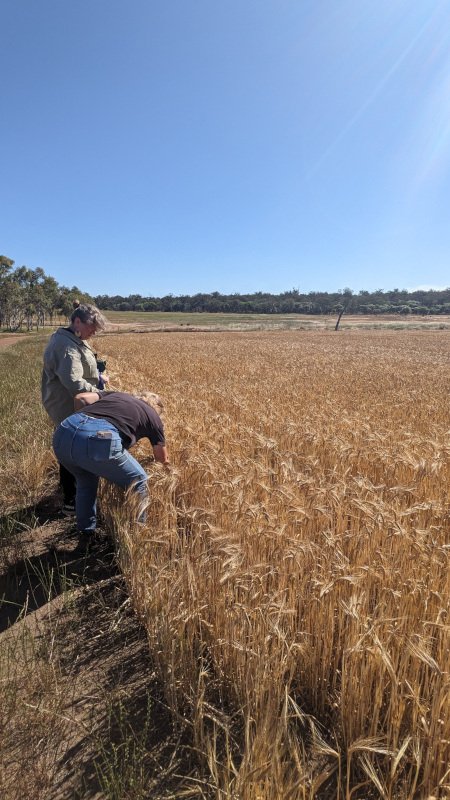
Connection is evident in the deep love people feel for this place: those who proudly trace their lineage back to first settlement exude the scents of soil, grain and Eucalypt from their pores; recent settlers carry the aromas of the Pacific and Indian Oceans, the Nullarbor and whiffs of South African heat and European chill; those who pass through lured by the fragrance of orchids, wildflowers and red dirt express delight at roses and petrichor.
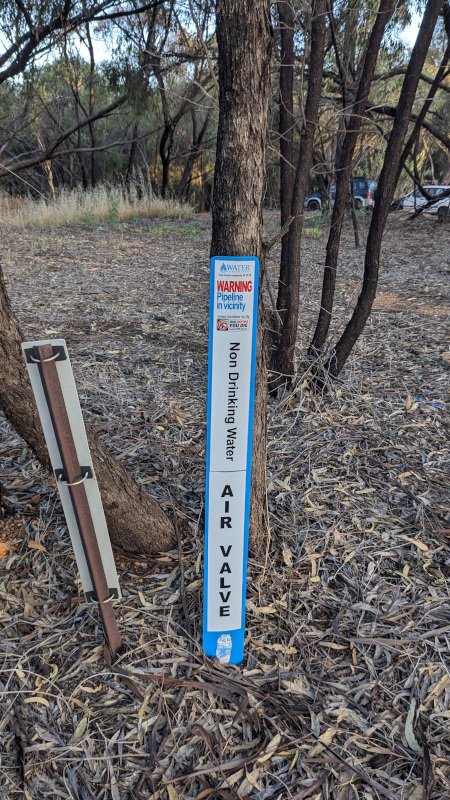
This extraordinary Country is Ballardong Boodja, shaped by reciprocity, connection and responsibility. “Disconnection” is not a simple absence but a complex legacy, an inherited, ongoing set of ruptures created through colonisation that structures how we relate, gather, and work here. These fractures sit beneath the connections we’ve observed: subtle at times and at other times in your face, creating uneasy strata that make the ground precarious. Treacherous and troubled footing for the work that must be done. Air valves punctuate this Country, literal and metaphorical, metonyms of extraction, interruption, release, accumulations, exhalations, and ongoing settler-colonial impacts and culpability.
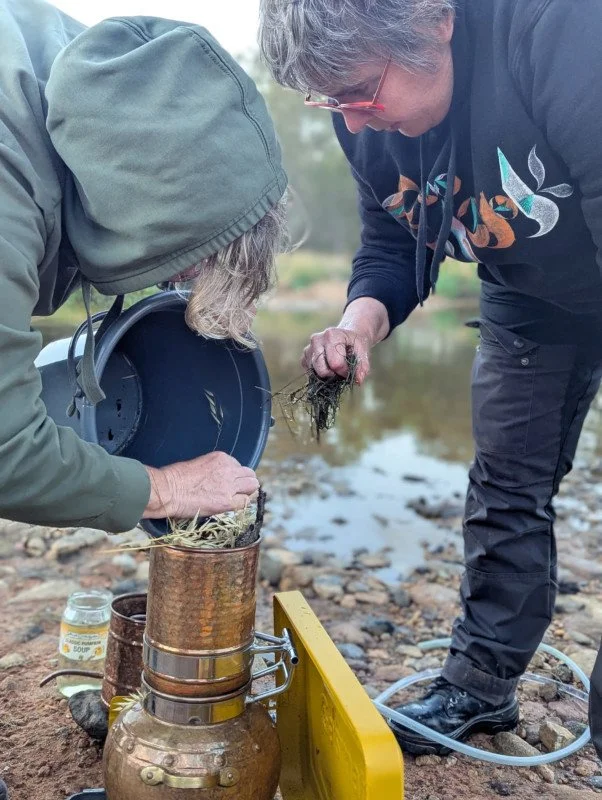
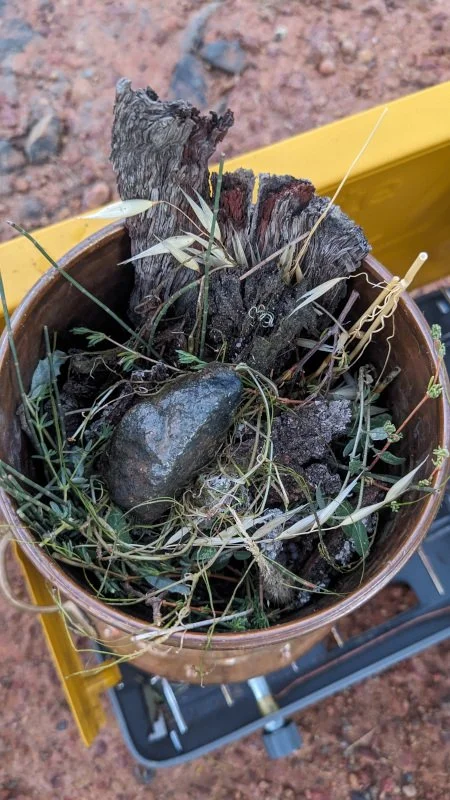
By collecting the scents of Beverley, we have been mapping movements, transformations, returns, departures, and troubles. People have shared memories of smells carried in wheat dust: of the way rain darkens and reshapes the smell of bitumen; of vast fields of everlasting daisies replaced by wheat, and the stench of the river; of sweeping sheep shit under the shearing shed floor, old books and lemons, sickly-sweet fields of canola, and boomer musk; of rose trees planted by fathers, boronia, and the life of water. Every story is part of a complex rhythm, offered, distilled, bottled, carried and reinterpreted.
It's a rhythm found in many country towns and Beverley has its own texture. This texture has led us to consider the currencies and materialities of circular economies, not as systems of resources, measurements, or sustainable efficiencies connected in a closed, flat system, but as loops and whorls of care, attention, and reciprocity that coexist with disdain, disgust, and disconnection.
Circular economies are not built only from recycled objects or innovative technologies. They're held together by relationships. They thrive when we hold space for one another, when we recognise past hurts and joys, when time is given as generously as help, and when knowledge and resources eddy, circulate and feedback.
These economies are elusive, like a hint of familiar scent that you catch on the main street. It is intoxicating, but you struggle to find its source. The landscape of connection is unstable, shaped by and reliant on alliances, volunteer labour, scarce resources, precarious funding, and tentative trust.
Connection doesn't just support the work; it is the work.
Images courtesy of the artists, except where indicated.
More information about the Circular Economies artists, host communities and projects as they unfold can be found by subscribing to SPACED’s monthly email newsletter, and following SPACED on Facebook and Instagram.
Circular Economies is produced as a joint partnership by PICA - Perth Institute of Contemporary Arts and SPACED.




Explore our past programs

Know Thy Neighbour #3 (2021-23). Know Thy Neighbour #3 investigates notions of place, sites of interest, networks, and social relationships with partner communities.

Rural Utopias (2019-23). Rural Utopias is a program of residencies, exhibitions and professional development activities organised in partnership with 12 Western Australian rural and remote towns.
ence.